
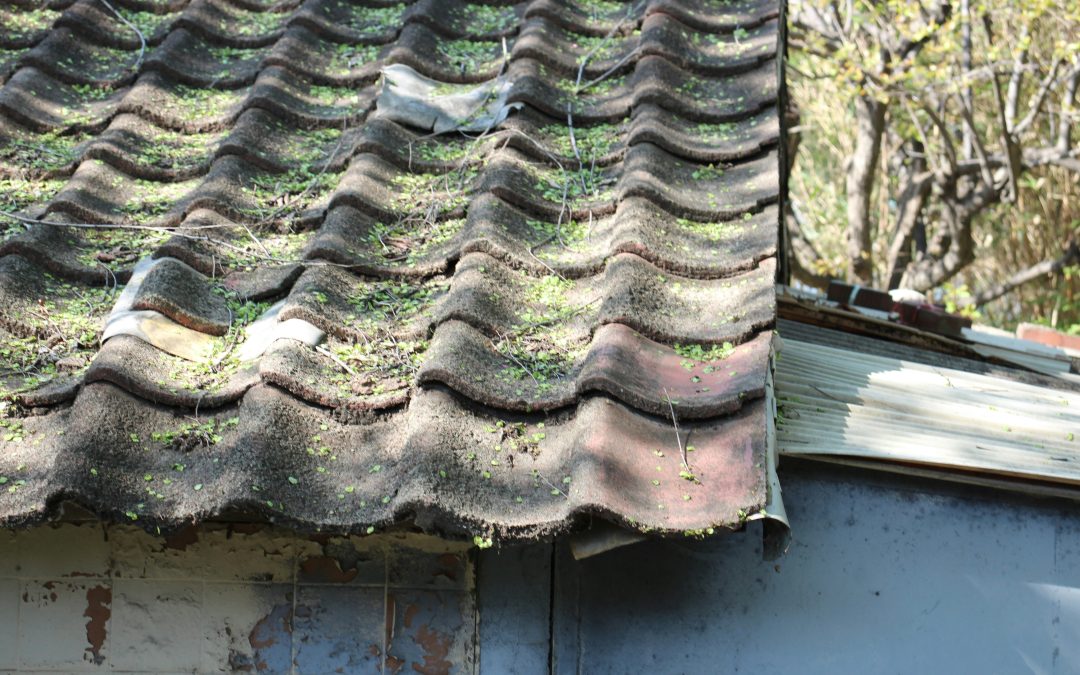
Proper roof ventilation is essential for the health and longevity of your home. When your attic or roof lacks sufficient airflow, it can lead to a range of issues that affect both your roof and your living space. If you’re noticing signs like higher energy bills, moisture buildup, or shingle damage, understanding poor roof ventilation problems is key to preventing costly repairs. According to the U.S. Department of Energy, proper attic ventilation can reduce cooling costs by up to 10–15% in hot climates. Poor ventilation not only raises energy expenses but also accelerates roof wear, making it a critical factor in home maintenance.
What Is Roof Ventilation?
Roof ventilation refers to the movement of air through your attic or roof space. It involves intake vents, usually located at the eaves or soffits, and exhaust vents, typically at the ridge or gable ends. This airflow regulates temperature, removes moisture, and prevents structural damage. When ventilation is inadequate, these systems cannot function properly, leading to a host of problems.
Common Problems Caused by Poor Roof Ventilation
Increased Energy Costs
One of the first signs of poor roof ventilation is higher energy bills. In summer, heat can build up in the attic due to trapped air, causing your air conditioner to work harder. In winter, warm air may be unevenly distributed, making your heating system less efficient.
Moisture and Mold Growth
Without proper airflow, moisture can accumulate in your attic. This creates a humid environment conducive to mold and mildew growth. Moisture can also rot wooden roof components, compromise insulation, and lead to structural damage. Mold spores can affect indoor air quality, triggering allergies or respiratory issues.
Premature Shingle Damage
Excess heat and moisture can reduce the lifespan of your roof shingles. Asphalt shingles, for example, may curl, blister, or crack prematurely. This not only affects your roof’s appearance but also its ability to protect your home from water infiltration.
Ice Dams
In colder climates, poor roof ventilation contributes to ice dams. Warm air rising from the attic melts snow on the roof, which then refreezes at the eaves. Ice dams can cause water to back up under shingles, leading to leaks, wood rot, and interior damage.
Attic Overheating and Odors
During summer, an unventilated attic can reach extreme temperatures. This not only affects energy efficiency but can also damage stored items, warp wood, and shorten the lifespan of roofing materials. Stale air trapped in the attic can also cause musty or unpleasant odors that may seep into your home.
Causes of Poor Roof Ventilation
Understanding the root causes can help prevent these issues:
- Blocked vents due to debris, insulation, or pests.
- Insufficient venting on the roof.
- Poor installation of vents or insulation.
- Complex or flat roof designs that do not allow natural airflow.
Solutions for Poor Roof Ventilation
Inspect and Clean Existing Vents
Check all attic vents for blockages. Remove debris, dust, or insulation that may be obstructing airflow. Ensure that soffit and ridge vents are functioning correctly.
Add or Upgrade Vents
If your roof lacks sufficient ventilation, consider installing additional vents. Options include ridge vents along the peak of the roof, soffit vents at the eaves, gable vents on roof ends, and powered attic ventilators for large or complex attics.
Check Insulation
Proper insulation works hand-in-hand with ventilation. Make sure insulation does not block vents and allows air to move freely. Adding baffles between rafters can prevent insulation from restricting airflow.
Hire a Professional
If you are unsure about the extent of ventilation problems or the proper installation of vents, call a licensed roofing contractor. Professionals can assess your roof, recommend solutions, and install vents safely.
Preventing Future Ventilation Issues
To maintain a healthy roof and attic:
- Inspect your roof and vents at least twice a year.
- Clear debris from gutters, soffits, and vents regularly.
- Ensure insulation is properly installed without blocking airflow.
- Address moisture, mold, or shingle damage immediately.
Conclusion
Poor roof ventilation problems can lead to higher energy bills, moisture damage, shingle deterioration, ice dams, and unpleasant odors. Understanding the causes and taking proactive steps, such as adding vents, maintaining insulation, and hiring professionals when needed, can protect your home and extend the life of your roof. Regular maintenance and proper ventilation ensure your roof remains strong, efficient, and capable of protecting your property for years to come.