
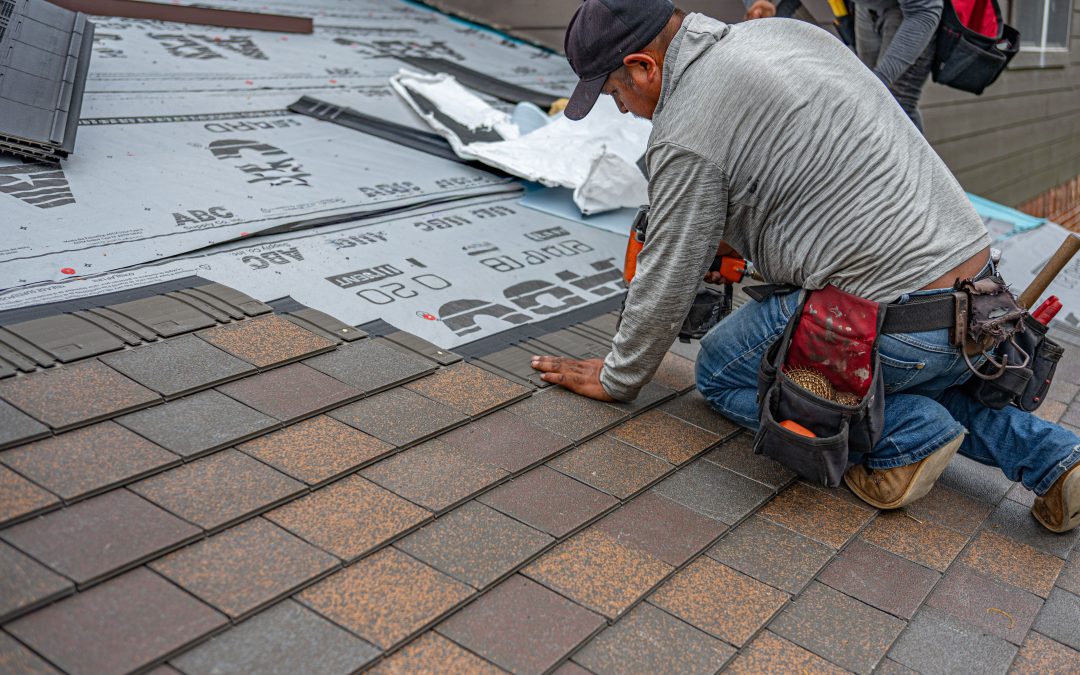
Winter can be tough on a home, especially on the roof. As temperatures drop and storms become more frequent, even a small roofing issue can quickly turn into a major leak. What may seem like a minor crack or loose shingle during the fall can lead to water damage, mold growth, insulation problems, and costly repairs once snow, ice, and freezing rain arrive.
The good news is that many winter roof leaks can be prevented with a little preparation. Taking the time to inspect and maintain your roof before cold weather sets in can save money and reduce stress during the winter months.
If you’ve been wondering how to prevent roof leaks before winter, this guide will walk you through practical steps that help protect your home from seasonal weather challenges.
Why Winter Increases the Risk of Roof Leaks
Winter creates conditions that can expose weaknesses in a roofing system.
Snow accumulation, ice formation, freezing temperatures, and heavy rain all put additional stress on roofing materials. Water can enter through small openings and expand when it freezes, making existing damage worse.
According to the Insurance Information Institute, water damage and freezing account for a significant percentage of homeowners insurance claims each year. This highlights the importance of preventive maintenance before winter weather arrives.
Understanding how to prevent roof leaks before winter starts with recognizing the risks that cold weather can create.
Inspect Your Roof for Damaged Shingles
Shingles are your roof’s first line of defense against moisture.
Before winter arrives, perform a visual inspection from the ground or hire a professional roofer to assess the roof safely.
Look for signs such as:
- Missing shingles
- Cracked shingles
- Curling edges
- Loose roofing materials
- Bare spots where granules are missing
Damaged shingles create vulnerable areas where water can penetrate the roof structure.
Replacing problem shingles before winter can prevent more serious issues later.
Check Roof Flashing Carefully
Flashing is the metal material installed around roof penetrations and transitions, including:
- Chimneys
- Skylights
- Roof valleys
- Plumbing vents
- Dormers
These areas are among the most common sources of roof leaks.
Inspect flashing for:
- Rust
- Cracks
- Gaps
- Loose sections
- Deteriorated sealant
Even a small flashing failure can allow moisture to enter during winter storms.
Clean Gutters and Downspouts
One of the easiest ways to reduce the risk of roof leaks is keeping gutters clean.
Leaves, twigs, and debris can block water flow and cause water to back up onto the roof.
When gutters become clogged, problems may include:
- Standing water
- Roof edge damage
- Ice dam formation
- Water infiltration
- Fascia deterioration
Clean gutters thoroughly before winter and ensure downspouts direct water away from the home’s foundation.
This simple maintenance task plays a major role in how to prevent roof leaks before winter.
Trim Overhanging Tree Branches
Trees provide shade and beauty, but they can also create roofing problems.
Branches hanging over the roof may:
- Drop leaves into gutters
- Scrape roofing materials
- Break during storms
- Accumulate snow and ice
Pruning nearby branches helps reduce potential damage and keeps debris from collecting on the roof.
It also limits the chance of falling limbs during winter storms.
Inspect the Attic for Warning Signs
Your attic can reveal roofing problems long before leaks become visible inside living spaces.
Take time to inspect the attic for:
- Water stains
- Damp insulation
- Mold growth
- Wood discoloration
- Signs of daylight coming through the roof
These issues may indicate small leaks that should be repaired before winter weather arrives.
Catching problems early is often far less expensive than repairing major water damage later.
Improve Attic Ventilation
Proper attic ventilation is an important but often overlooked part of roof maintenance.
Without adequate ventilation, warm air can become trapped in the attic, leading to uneven roof temperatures.
This can contribute to:
- Ice dams
- Moisture buildup
- Mold growth
- Premature roofing deterioration
Balanced attic ventilation helps regulate temperature and moisture levels throughout the year.
It also reduces stress on roofing materials during winter conditions.
Ensure Adequate Insulation
Insulation and ventilation work together to protect your roof.
Proper insulation helps prevent heat from escaping into the attic, which can reduce the likelihood of snow melting and refreezing along roof edges.
When insulation is insufficient:
- Heat escapes through the roof
- Snow melts unevenly
- Ice dams form more easily
- Water may back up under shingles
Upgrading attic insulation can improve both energy efficiency and roof performance during winter.
Repair Small Leaks Immediately
Many homeowners delay minor roof repairs because the problem appears manageable.
Unfortunately, winter weather often makes small leaks much worse.
If you notice:
- Water stains
- Dripping water
- Damp attic areas
- Loose roofing materials
Address the issue as soon as possible.
A minor repair completed during the fall is usually much easier and less expensive than emergency repairs during winter.
Watch for Signs of Sagging
A sagging roof may indicate structural issues that require immediate attention.
Potential causes include:
- Water damage
- Rotting wood
- Excessive weight
- Aging materials
If any section of the roof appears uneven or sagged, schedule a professional inspection promptly.
Structural weaknesses can become more dangerous when snow accumulates during winter months.
Check Skylights and Roof Penetrations
Any opening in the roof creates a potential entry point for moisture.
Inspect areas around:
- Skylights
- Exhaust vents
- Satellite mounts
- Solar panel attachments
Look for cracked sealants, damaged flashing, or signs of water intrusion.
Maintaining these vulnerable areas is another important step in learning how to prevent roof leaks before winter.
Schedule a Professional Roof Inspection
While homeowners can identify many visible issues, professional roof inspections often reveal problems that may otherwise go unnoticed.
Roofing professionals can assess:
- Hidden damage
- Structural concerns
- Flashing performance
- Ventilation issues
- Overall roof condition
Many experts recommend annual inspections, particularly before winter weather arrives.
Professional evaluations can provide peace of mind and help prioritize necessary repairs.
Prevent Ice Dams Before They Form
Ice dams are one of winter’s most common roofing problems.
They occur when snow melts on warmer sections of the roof and refreezes near colder roof edges.
This process can trap water behind ice formations and force moisture beneath shingles.
To reduce ice dam risk:
- Improve attic insulation
- Maintain proper ventilation
- Clean gutters
- Remove excessive snow when necessary
Preventing ice dams is a key part of protecting your roof throughout winter.
Create a Seasonal Roof Maintenance Checklist
A simple checklist can help ensure important tasks are not overlooked.
Include items such as:
- Inspect shingles
- Check flashing
- Clean gutters
- Trim trees
- Examine attic conditions
- Verify ventilation
- Assess insulation
- Schedule professional inspections
Completing these tasks each fall can significantly reduce the likelihood of winter roof problems.
Conclusion
Understanding how to prevent roof leaks before winter can save homeowners from expensive repairs, water damage, and unnecessary stress. Winter weather has a way of exposing weaknesses in roofing systems, but many issues can be addressed before the first snowflake falls.
By inspecting shingles, cleaning gutters, checking flashing, improving insulation, and scheduling professional inspections, you can prepare your roof for the challenges of the season. A little preventive maintenance today can go a long way toward keeping your home dry, comfortable, and protected all winter long.