
Your roof works hard every single day, shielding your home from rain, snow, wind, sunlight, and changing temperatures. Yet, it is often one of the most overlooked parts of a house until a leak or major problem appears. Regular maintenance can help extend the life of your roof, prevent costly repairs, and keep your home protected no matter the season.
Learning how to maintain your roof through every season is easier than you might think. By performing a few simple inspections and maintenance tasks throughout the year, you can catch small issues before they become expensive repairs.
According to the National Roofing Contractors Association (NRCA), regular roof inspections and preventive maintenance can significantly increase the lifespan of a roofing system by identifying damage before it worsens. A little attention each season goes a long way toward protecting your investment.
In this guide, you’ll discover practical tips for caring for your roof during spring, summer, fall, and winter.
Why Seasonal Roof Maintenance Matters
Your roof faces different challenges throughout the year.
Heavy rain may expose leaks in spring, intense sunlight can age roofing materials during summer, falling leaves may clog gutters in autumn, and snow or ice can add extra weight in winter.
Routine maintenance helps:
- Extend your roof’s lifespan
- Reduce repair costs
- Improve energy efficiency
- Prevent water damage
- Protect your home’s structure
Taking a proactive approach is far easier than dealing with emergency repairs after severe weather.
Inspect Your Roof Every Spring
Winter can leave behind hidden damage that isn’t immediately visible.
Once the weather improves, perform a visual inspection from the ground or use binoculars if necessary.
Look for:
- Missing shingles
- Cracked or curled shingles
- Loose flashing
- Sagging areas
- Debris accumulation
Also inspect your attic for signs of water stains or moisture, which may indicate a roof leak.
Spring is an excellent time to schedule a professional inspection if your roof experienced heavy storms during the winter months.
Clean Gutters and Downspouts
Gutters play an important role in directing rainwater away from your home.
When gutters become clogged with leaves, twigs, and dirt, water can overflow and damage your roof, siding, and foundation.
At least twice each year:
- Remove leaves and debris.
- Flush gutters with water.
- Check for loose fasteners.
- Make sure downspouts direct water away from the home’s foundation.
Keeping gutters clean is one of the simplest ways to support proper roof drainage.
Check for Damage After Summer Storms
Summer often brings heavy rain, hail, and strong winds in many regions.
After severe weather passes, inspect your roof for:
- Missing shingles
- Dented flashing
- Broken tree branches
- Granules collecting in gutters
- Visible debris
Even small storm damage can lead to leaks if left unaddressed.
Prompt repairs help prevent larger problems later.
Trim Overhanging Tree Branches
Trees provide welcome shade, but branches hanging over your roof can create several problems.
Overgrown limbs may:
- Scratch roofing materials
- Drop leaves into gutters
- Break during storms
- Allow animals easier access to your roof
Trim branches so they remain several feet away from the roof whenever possible.
This simple task helps reduce both storm damage and debris buildup.
Watch for Moss and Algae Growth
In damp or shaded areas, moss and algae may begin growing on roofing materials.
While algae mainly affect appearance, moss can trap moisture against shingles, increasing the risk of deterioration over time.
If you notice moss:
- Remove debris first.
- Use roofing-safe cleaning methods.
- Avoid pressure washing asphalt shingles.
- Consider professional cleaning if growth is widespread.
Proper roof ventilation and regular maintenance can also discourage future growth.
Prepare Your Roof for Fall
Autumn is an ideal season for preventive maintenance before colder weather arrives.
Complete tasks such as:
- Cleaning gutters
- Removing fallen leaves
- Checking roof flashing
- Inspecting vents
- Looking for damaged shingles
Addressing small issues before winter helps reduce the chance of leaks during rainy or snowy weather.
Learning how to maintain your roof through every season means staying ahead of seasonal changes rather than reacting afterward.
Monitor Your Attic
Your attic can reveal roofing problems before they become obvious inside your living space.
Periodically check for:
- Water stains
- Damp insulation
- Mold growth
- Sunlight shining through the roof
- Musty odors
Good attic ventilation also helps regulate temperature and reduce moisture buildup, improving your roof’s long-term performance.
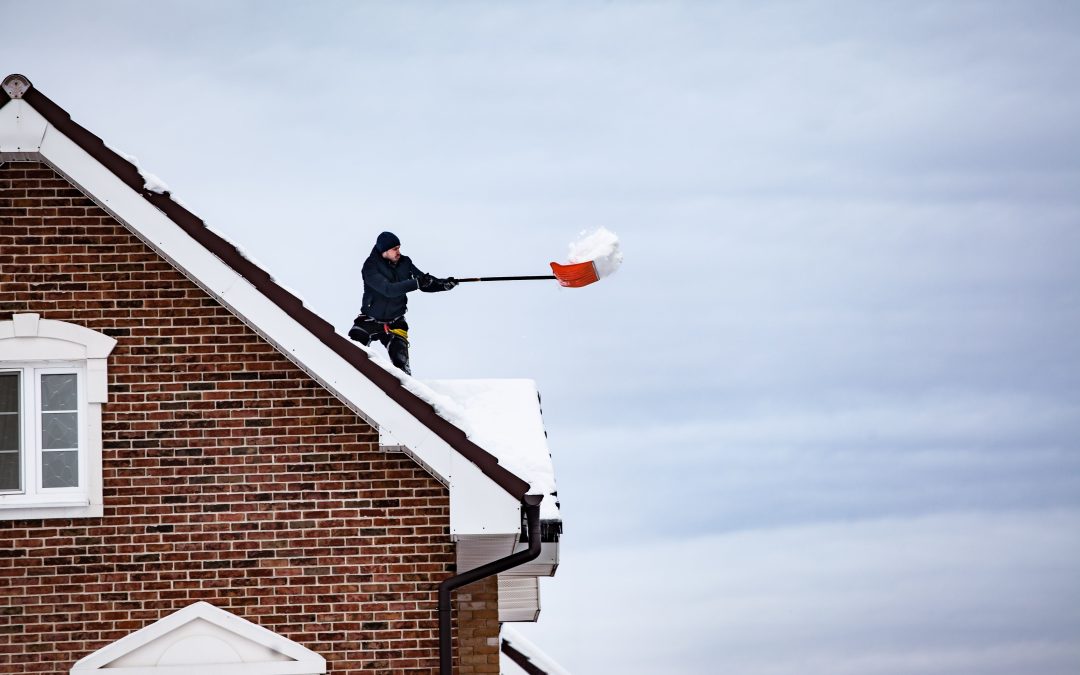
Protect Your Roof During Winter
Winter conditions can place extra stress on roofing systems.
Depending on your climate, watch for:
- Ice accumulation
- Heavy snow loads
- Icicles along roof edges
- Blocked gutters
If large amounts of snow accumulate, use a roof rake from the ground if recommended for your roof type.
Avoid climbing onto icy roofs, as this can be dangerous.
If ice dams develop repeatedly, consult a roofing professional to identify insulation or ventilation improvements.
Inspect Flashing and Roof Seals
Flashing helps seal areas around chimneys, skylights, vents, and roof valleys.
Over time, flashing can loosen or crack.
Inspect these areas regularly for:
- Rust
- Gaps
- Loose fasteners
- Damaged sealant
Small flashing repairs often prevent much larger water damage inside the home.
Schedule Professional Roof Inspections
While homeowners can safely perform basic visual inspections, professional roof inspections provide a more thorough evaluation.
A roofing expert can identify problems that may not be visible from the ground.
Many professionals recommend scheduling an inspection:
- Once every year
- After severe storms
- Before buying or selling a home
- When your roof approaches the later years of its expected lifespan
Professional maintenance often saves money by identifying repairs early.
Keep Records of Maintenance
Maintaining a simple record of roof inspections and repairs is surprisingly helpful.
Keep notes about:
- Inspection dates
- Repairs completed
- Contractor information
- Warranty documents
- Photos of roof conditions
These records can be valuable for future maintenance planning or when selling your home.
Know When Repairs Shouldn’t Wait
Some roofing issues require immediate attention.
Contact a qualified roofing contractor if you notice:
- Active leaks
- Missing large sections of shingles
- Sagging rooflines
- Interior ceiling stains
- Storm-related structural damage
Quick action helps prevent further deterioration and reduces repair costs.
Conclusion
Understanding how to maintain your roof through every season helps protect one of your home’s most valuable assets. Simple habits like cleaning gutters, inspecting shingles, trimming nearby trees, checking your attic, and scheduling professional inspections can extend your roof’s lifespan while reducing the likelihood of expensive repairs.
Seasonal maintenance does not require extensive effort, but it does require consistency. By giving your roof a little attention throughout the year, you’ll enjoy greater peace of mind knowing your home is ready for whatever the seasons bring.