
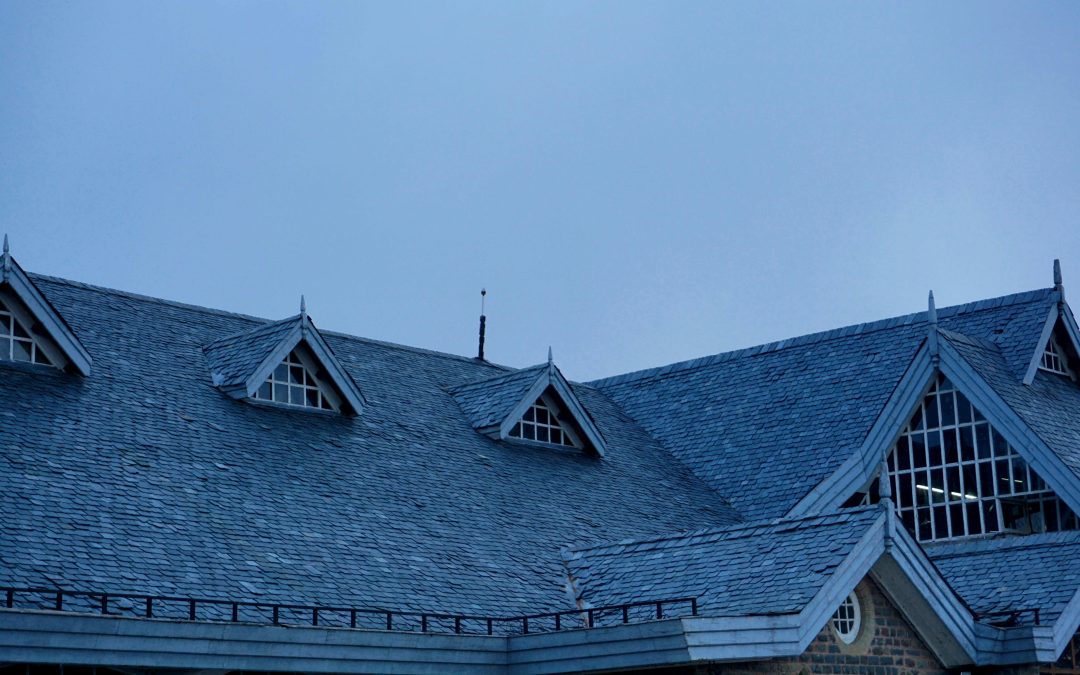
When it comes to building or replacing a roof, most homeowners focus on cost and appearance first. But the real question that matters long-term is durability, maintenance, and overall value. Your roof is not just a covering. It is your home’s main protection against weather, heat, and time itself.
That is why so many homeowners end up comparing flat roof vs pitched roof which is the better long-term investment for your home before making a decision. Both styles have clear advantages, but they also come with trade-offs that can affect maintenance costs, lifespan, and energy efficiency.
According to the National Association of Home Builders, roofing systems are among the top three most expensive exterior components of a home, and their lifespan can significantly impact overall property maintenance costs over time.
So choosing the right type is not just a design choice. It is a financial decision too.
Understanding the Basic Difference Between Flat and Pitched Roofs
Before comparing long-term value, it helps to understand how each roof type is designed.
- Flat roofs are nearly level with a slight slope for drainage
- Pitched roofs have a noticeable angle or slope, often forming a triangle shape
Flat roofs are more common in modern architecture and commercial buildings, while pitched roofs are traditional and widely used in residential homes.
This structural difference affects everything from drainage to maintenance needs.
Flat Roofs: Modern Design With Practical Use
Flat roofs are often chosen for their sleek, modern appearance and functional space potential.
Advantages of flat roofs
- Easier installation process
- Lower initial construction cost
- Can be used as rooftop space
- Simple access for repairs
- Modern architectural style
Flat roofs are especially popular in urban homes where space is limited. Some homeowners even convert them into rooftop gardens, patios, or solar panel areas.
However, they do come with challenges.
Disadvantages of flat roofs
- More prone to water pooling
- Shorter lifespan in some materials
- Higher maintenance needs
- Potential drainage issues
Because flat roofs do not naturally shed water as easily, proper drainage systems are essential.
This is a key factor in flat roof vs pitched roof which is the better long-term investment for your home discussions.
Pitched Roofs: Traditional Strength and Longevity
Pitched roofs are the most common roofing style in residential homes for a reason. They are designed to naturally handle rain, snow, and debris.
Advantages of pitched roofs
- Excellent water drainage
- Longer lifespan on average
- Better ventilation options
- Stronger weather resistance
- Lower long-term maintenance
The slope allows rain and snow to slide off easily, reducing the risk of leaks or water damage.
Disadvantages of pitched roofs
- Higher initial construction cost
- More complex installation
- Harder and more expensive to repair
- Less usable roof space
Despite the higher upfront cost, many homeowners see pitched roofs as a long-term investment due to durability.
Durability: Which Roof Lasts Longer?
One of the biggest factors in flat roof vs pitched roof which is the better long-term investment for your home is lifespan.
In general:
- Flat roofs may last 10 to 25 years depending on material
- Pitched roofs often last 20 to 50 years or more
Materials also matter:
- Asphalt shingles (common on pitched roofs) last around 20 to 30 years
- Metal roofing can last 40 to 70 years
- Flat roof materials like EPDM or modified bitumen have shorter lifespans but improve with maintenance
Pitched roofs usually win in long-term durability due to better weather protection.
Maintenance Requirements Over Time
Maintenance is another major difference between the two roof types.
Flat roofs typically require:
- Regular drainage checks
- Inspection for pooling water
- Surface resealing
- More frequent repairs
Pitched roofs generally require:
- Gutter cleaning
- Occasional shingle replacement
- Basic inspections after storms
While both require maintenance, flat roofs usually demand more frequent attention.
Over time, this can affect overall cost of ownership.
Weather Performance Matters
Weather resistance plays a huge role in roof performance.
Flat roofs are more vulnerable to:
- Standing water
- Heavy snow accumulation
- Heat absorption
Pitched roofs handle:
- Rain runoff more efficiently
- Snow sliding off naturally
- Wind resistance depending on design
In regions with heavy rainfall or snow, pitched roofs often perform better long-term.
Energy Efficiency Differences
Roof design also affects how well a home regulates temperature.
Flat roofs tend to:
- Absorb more heat in warm climates
- Offer space for insulation upgrades or solar panels
Pitched roofs:
- Allow better airflow in attic spaces
- Improve natural insulation in colder climates
Both can be energy-efficient when properly designed, but pitched roofs often provide more natural ventilation benefits.
Cost Comparison: Short-Term vs Long-Term
Cost is usually the deciding factor for many homeowners.
Flat roofs:
- Lower installation cost
- Higher maintenance cost over time
- Potential earlier replacement
Pitched roofs:
- Higher upfront cost
- Lower maintenance cost over time
- Longer lifespan
This creates an important trade-off in flat roof vs pitched roof which is the better long-term investment for your home.
If you plan to stay in your home long-term, pitched roofs often provide better value.
Architectural Style and Home Value
A roof also affects curb appeal and resale value.
Flat roofs:
- Modern and minimalist appearance
- Popular in contemporary architecture
Pitched roofs:
- Classic and traditional look
- Preferred in many residential markets
In many areas, pitched roofs are still seen as more desirable by buyers, which can impact resale value.
Installation Complexity and Repairs
Flat roofs are generally easier and faster to install, which can reduce initial labor costs.
However, repairs can sometimes be more frequent due to water exposure.
Pitched roofs are more complex to build but often require fewer repairs over time when properly maintained.
Environmental and Sustainable Considerations
Both roof types can support sustainable features.
Flat roofs are ideal for:
- Solar panel installations
- Green roofs or rooftop gardens
Pitched roofs also support solar panels but may require more complex installation.
Sustainability depends more on materials and insulation than shape alone.
So Which Roof Is the Better Long-Term Investment?
The answer depends on your priorities.
Flat roofs are better if you want:
- Lower upfront cost
- Modern design
- Usable rooftop space
Pitched roofs are better if you want:
- Long-term durability
- Lower maintenance
- Better weather protection
For many homeowners, pitched roofs tend to win in long-term value due to durability and lower maintenance requirements.
That is why understanding flat roof vs pitched roof which is the better long-term investment for your home is so important before making a decision.
Conclusion
Choosing the right roof is more than a design choice. It is a long-term investment that affects maintenance costs, energy efficiency, weather protection, and resale value.
Flat roofs offer modern style and lower initial costs, while pitched roofs provide durability and long-term reliability.
By carefully evaluating flat roof vs pitched roof which is the better long-term investment for your home, homeowners can make a decision that fits both their budget and future goals.
A well-chosen roof does more than protect a house. It protects your investment for decades.