
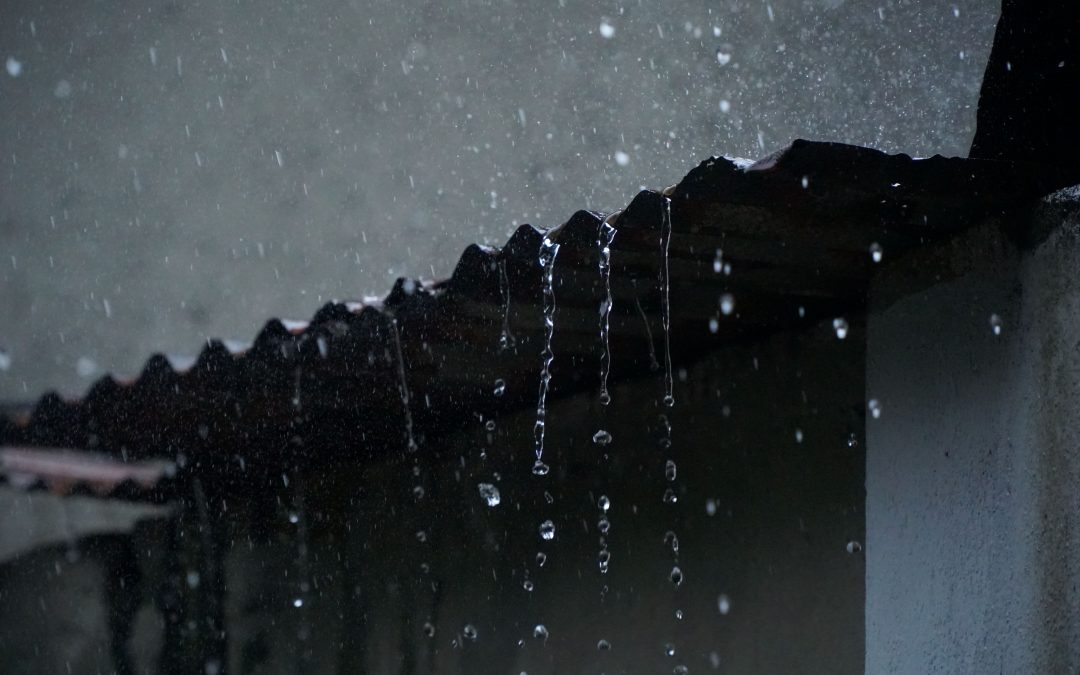
A strong storm can pass through in just a few minutes, but the damage it leaves behind can last for years if it goes unnoticed. While fallen branches and missing shingles are easy to spot, many forms of roof damage are much harder to see from the ground. Even a storm that seems minor can weaken your roof and lead to expensive repairs later.
Understanding how hail and storms damage your roof can help you catch problems early and protect one of the most important parts of your home. Whether you experience heavy rain, hail, strong winds, or a combination of severe weather, knowing what to look for can save you time, money, and stress.
According to the National Oceanic and Atmospheric Administration (NOAA), the United States experiences thousands of severe hail events every year, causing billions of dollars in property damage. Roofs are among the most commonly affected parts of a home because they take the full force of the weather.
Let’s take a closer look at how storms affect your roof and what you can do after severe weather moves through.
Why Your Roof Is Vulnerable During Storms
Your roof is your home’s first line of defense against the elements. Every season brings different weather challenges, but hail and severe storms are especially tough on roofing materials.
Strong winds can lift shingles, hail can crack protective surfaces, and heavy rain can find its way into even the smallest openings. Over time, repeated storms can weaken the roof’s ability to keep water out.
Even if your roof looks fine from the ground, hidden damage may already be developing beneath the surface.
How Hail Damages Roofing Materials
Hailstones vary greatly in size. Some are no larger than peas, while others can grow as large as golf balls or even bigger during severe storms.
When hail strikes your roof, it can:
- Crack asphalt shingles
- Knock protective granules loose
- Dent metal roofing panels
- Damage flashing
- Weaken roof vents
- Shorten the lifespan of roofing materials
Granules on asphalt shingles play an important role by protecting the roof from ultraviolet rays. Once they are knocked away, shingles may age more quickly and become more vulnerable to cracking.
The larger the hail and the faster it falls, the greater the potential for damage.
Strong Winds Can Lift and Remove Shingles
High winds often cause just as much damage as hail.
Wind can loosen shingles by breaking the adhesive seal that keeps them attached to the roof. Once shingles begin lifting, rainwater can easily work its way underneath.
In stronger storms, shingles may be completely torn away, exposing the roof deck below.
Missing shingles leave your home much more vulnerable to leaks during the next rainfall.
Heavy Rain Finds Weak Spots
Rain alone usually does not damage a properly maintained roof.
However, storms often expose existing weaknesses.
Water can enter through:
- Loose flashing
- Cracked shingles
- Damaged vents
- Open nail holes
- Lifted roofing materials
Once moisture enters the roof system, it can spread into insulation, ceilings, walls, and even electrical systems if left untreated.
Small leaks often become much larger repair projects over time.
Falling Tree Branches Can Cause Immediate Damage
Storms frequently bring down tree limbs.
Even relatively small branches can crack shingles or damage gutters when they land on a roof.
Larger branches may puncture roofing materials or damage the roof structure itself.
Keeping nearby trees properly trimmed helps reduce this risk before storm season begins.
Flashing Is Often Damaged During Severe Weather
Flashing protects the areas where different roof sections meet.
Common flashing locations include:
- Chimneys
- Skylights
- Roof valleys
- Plumbing vents
- Dormers
Strong winds and hail can bend, loosen, or crack flashing.
Once flashing becomes damaged, water may enter around these vulnerable areas even if the shingles remain in good condition.
Gutters Can Reveal Hidden Roof Damage
After a storm, your gutters often provide valuable clues about your roof’s condition.
Look for:
- Large amounts of shingle granules
- Pieces of broken shingles
- Bent gutter sections
- Loose downspouts
- Standing water
Granules collecting inside gutters may indicate that hail has damaged asphalt shingles.
Checking gutters after severe weather is one of the easiest ways to identify possible roofing issues.
Signs of Storm Damage Inside Your Home
Sometimes roof damage becomes noticeable indoors before you ever see it outside.
Watch for signs such as:
- Water stains on ceilings
- Peeling paint
- Damp insulation
- Mold growth
- Dripping water in the attic
- Musty odors
If any of these appear after a storm, it’s important to have your roof inspected promptly.
Early detection often prevents much larger repairs.
Why Prompt Roof Inspections Matter
One of the smartest steps after severe weather is scheduling a professional roof inspection.
Roofing professionals know how to identify damage that homeowners may miss.
An inspection can reveal:
- Hidden hail impacts
- Loose shingles
- Damaged flashing
- Structural concerns
- Small leaks before they worsen
Finding problems early often means simpler and less expensive repairs.
Preventive Maintenance Makes a Difference
Although no roof is completely storm-proof, regular maintenance helps reduce damage.
Helpful maintenance includes:
- Cleaning gutters regularly
- Replacing damaged shingles promptly
- Trimming overhanging branches
- Inspecting flashing annually
- Checking attic ventilation
- Looking for loose roofing materials after storms
These simple habits can help extend your roof’s lifespan and improve its performance during severe weather.
Understanding Insurance After Storm Damage
Homeowners insurance often covers sudden storm-related roof damage, although coverage depends on your individual policy.
After a severe storm:
- Take photos of visible damage.
- Keep records of the storm date.
- Avoid making temporary repairs that could create safety risks.
- Contact your insurance company if significant damage is suspected.
- Schedule a professional inspection to document the condition of your roof.
Proper documentation can help make the claims process smoother if repairs are needed.
Conclusion
Learning how hail and storms damage your roof is one of the best ways to protect your home from costly repairs. Hail, strong winds, heavy rain, and falling debris can all weaken roofing materials, sometimes without creating obvious signs at first.
By inspecting your property after severe weather, watching for warning signs inside and outside your home, and addressing small issues before they grow, you can keep your roof performing at its best. Regular maintenance and timely professional inspections provide peace of mind and help ensure your roof continues protecting your home through every season.