
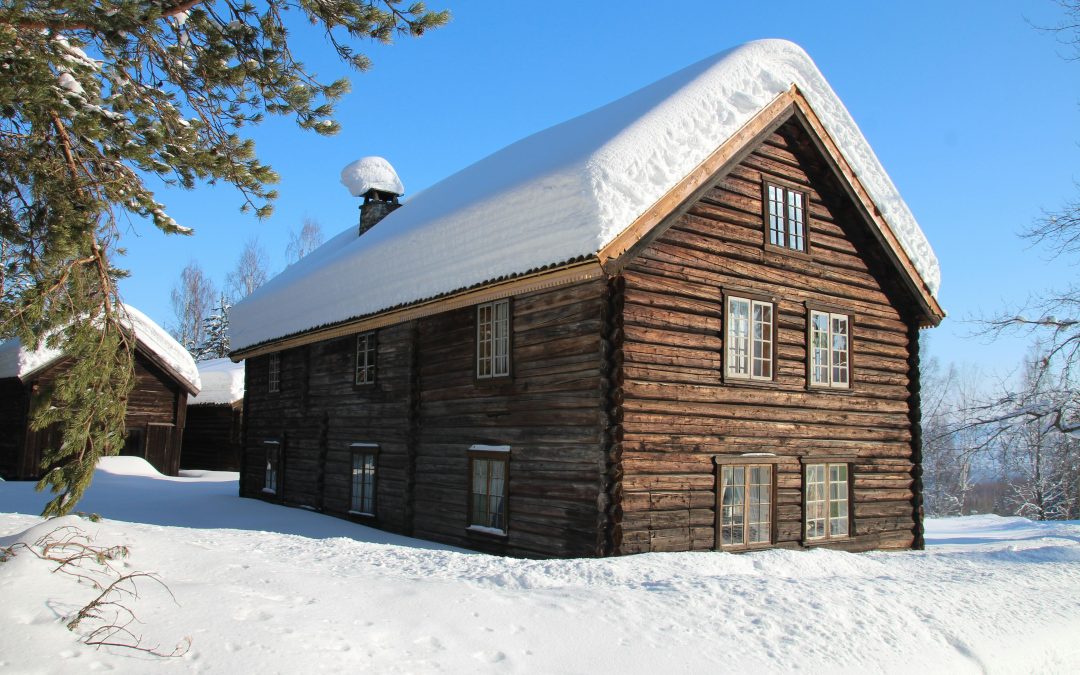
Living in areas with heavy snowfall brings unique challenges for homeowners, and one of the most important considerations is your roof. Snow accumulation can add significant weight and even cause structural damage if your roof is not designed properly. Knowing the best roof pitch for heavy snow load is essential to ensure safety, durability, and longevity of your home. Let’s explore what roof pitch is, why it matters, and which designs are most effective in snowy climates.
What Is Roof Pitch and Why It Matters
Roof pitch refers to the angle or slope of your roof, usually expressed as a ratio of vertical rise to horizontal run. For example, a 6:12 pitch means the roof rises six inches for every twelve inches of horizontal distance. The steeper the pitch, the easier it is for snow to slide off, reducing the risk of heavy accumulation and structural stress.
The Insurance Institute for Business and Home Safety notes that homes in heavy snow regions can experience snow loads exceeding 30 pounds per square foot. Choosing the right pitch can prevent roof collapse and reduce long-term maintenance costs.
Factors to Consider When Choosing a Roof Pitch
When determining the best roof pitch for heavy snow load, several factors come into play:
- Local Snowfall: Areas with consistent heavy snow require steeper pitches to prevent buildup.
- Roof Material: Some roofing materials, like metal, allow snow to slide off more easily, which may influence pitch decisions.
- Architectural Style: The style of your home may limit how steep your roof can be, but safety should take priority.
- Budget and Maintenance: Steeper roofs can be more expensive to build but reduce the risk of snow-related damage and maintenance issues.
Recommended Roof Pitches for Heavy Snow Areas
While every home and location is different, certain pitches are widely recommended for snowy regions:
1. Steep Roof Pitch (9:12 and Above)
A steep roof pitch of 9:12 or higher is excellent for heavy snow loads. The steep angle allows snow to slide off naturally, reducing the chance of ice dams and excessive weight buildup.
- Advantages: Minimal snow accumulation, lower risk of leaks or damage
- Best For: Areas with frequent heavy snowfalls or extreme winter storms
2. Moderate Roof Pitch (6:12 to 8:12)
Moderate pitches are common in many residential homes and can handle snow well when combined with durable roofing materials and proper insulation. While snow may accumulate temporarily, periodic removal is usually manageable.
- Advantages: Balance between aesthetics, cost, and snow management
- Best For: Areas with moderate snowfall or mixed winter climates
3. Low Roof Pitch (Below 6:12)
Low-sloped roofs are generally not recommended for regions with heavy snow, as snow tends to accumulate and exert significant pressure on the structure. If a low pitch is necessary for design reasons, additional structural reinforcement and snow guards are essential.
- Advantages: Modern and contemporary look
- Challenges: Requires more frequent maintenance and snow removal
Roof Designs Ideal for Heavy Snow Loads
Beyond pitch, the overall roof design affects how snow behaves:
- Gable Roofs: Simple and effective for shedding snow quickly, especially with a steep pitch.
- Hip Roofs: Provide extra stability and are less prone to wind damage, though snow may accumulate more at valleys.
- Shed Roofs: Useful for small extensions or modern homes, best with a steep slope to avoid buildup.
- Combination Roofs: Mixing gable and hip designs can balance aesthetics and functionality.
Additional Tips to Protect Your Roof from Snow
Even with the right pitch, proactive measures help maintain safety and performance:
- Install Snow Guards: Prevent large sheets of snow from sliding off suddenly and causing damage.
- Ensure Proper Insulation and Ventilation: Reduce the risk of ice dams forming along eaves.
- Regular Snow Removal: Use a roof rake or hire professionals to remove excess snow safely.
- Check Roof Structure: Ensure rafters and trusses are strong enough to support potential snow loads.
Materials That Work Best with Steep Pitches
The roofing material also affects snow performance. Metal roofs are highly recommended in snowy regions because they allow snow to slide easily. Asphalt shingles can work if installed correctly, while flat or low-pitched roofs benefit from reinforced membranes and careful insulation.
Conclusion
Selecting the best roof pitch for heavy snow load is crucial for the safety and longevity of your home. Steep pitches of 9:12 or higher are ideal for letting snow slide off naturally, while moderate pitches between 6:12 and 8:12 are workable with proper materials and maintenance. Low pitches require extra caution and structural support.
Consider local climate, roof material, architectural style, and maintenance needs when planning or upgrading your roof. By choosing the right pitch and design, you reduce snow-related risks, save on repairs, and ensure your home stays safe and cozy through the winter. A well-planned roof is not just about aesthetics; it is an essential investment in protection and peace of mind.