
Living in a hot climate can make you grateful for every bit of shade—and your roof plays a big role in keeping your home cool. If you’re building a new house or replacing your old roof, choosing the best roofing materials for hot climates can make a noticeable difference in both comfort and energy bills.
Let’s explore the coolest roofing options—literally—and find the best fit for your sunny home.
Why Your Roof Material Matters in the Heat
Roofs take the brunt of the sun’s heat. When the temperature climbs above 90°F (or well into the triple digits), some materials absorb that heat like a sponge. Others? They reflect it. And that’s what you want.
According to the U.S. Department of Energy, reflective roofing materials can reduce roof surface temperatures by up to 50°F, which can significantly lower indoor temperatures and cut your air conditioning costs. Not bad, right?
Now let’s break down your best bets for hot-weather roofing.
1. Clay or Terracotta Tiles
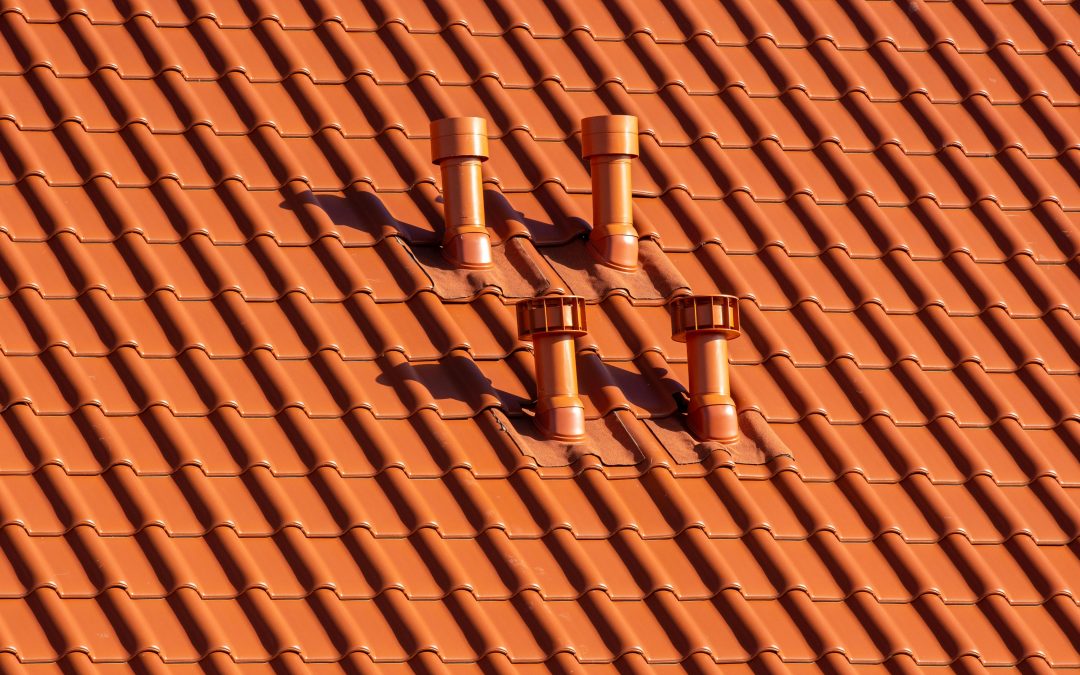
You’ve probably seen these in Mediterranean-style homes or in parts of the Southwest—and for good reason. Clay tiles are naturally great at resisting heat.
- Why it works: The curved shape allows air to circulate underneath, creating a cooling effect.
- Perks: Durable, fire-resistant, and long-lasting (up to 50+ years).
- Downsides: Heavy and more expensive than asphalt.
Tip: Make sure your home’s structure can support the weight of tile before installing.
2. Concrete Tiles
Concrete tiles are a close cousin of clay—only a bit more affordable and customizable. They can be shaped and colored to mimic other materials while offering excellent heat resistance.
- Why it works: Dense and slow to absorb heat
- Bonus: Often coated with reflective paints or sealants for even better cooling performance
- Lifespan: Around 40–50 years
Concrete tiles also tend to do well in high-wind zones, which is a nice bonus if you’re also in a storm-prone region.
3. Metal Roofing (Painted or Coated)
Modern metal roofs are far from the noisy tin roofs of the past. They’re sleek, durable, and surprisingly great for hot climates.
- Why it works: Reflects solar radiant heat instead of absorbing it
- Energy tip: Look for ENERGY STAR® certified metal roofing with cool-roof coatings
- Options: Steel, aluminum, copper, and zinc
- Lifespan: 40–70 years depending on the type
Metal roofs can also be installed over existing shingles, which can save you time and labor costs during replacement.
4. Slate Roofing
Slate is another natural stone material known for longevity and heat resistance. It’s one of the most durable materials on the market.
- Why it works: Naturally fireproof and low-heat absorbing
- Looks: Elegant and timeless, often used on upscale homes
- Lifespan: Over 75 years with proper maintenance
That said, like clay, it’s heavy—so it’s not for every home. But if you’ve got the structure to support it, slate might be your forever roof.
5. Cool Roof Shingles (Reflective Asphalt)
If you’re set on asphalt shingles but want better performance in the heat, cool roof shingles are a solid option. These are specially designed to reflect more sunlight than standard asphalt.
- Why it works: Coated with reflective granules that reduce heat absorption
- Affordable: Less expensive than tile or metal
- Good for retrofits: Easy to install in place of traditional shingles
According to the Cool Roof Rating Council, reflective shingles can reduce roof surface temperature by 20% or more on sunny days.
6. Green or Living Roofs
Here’s a trend that’s gaining popularity: rooftop gardens. While they aren’t for every climate or budget, they can significantly reduce heat.
- Why it works: Plants absorb sunlight instead of reflecting it into your attic
- Eco perks: Helps with insulation, reduces runoff, and improves air quality
- Best for: Flat or low-slope roofs
Green roofs require more planning and upkeep, but they’re an environmentally friendly way to battle the heat—plus they look awesome.
Key Factors to Consider Before Choosing
When picking the best roofing materials for hot climates, it’s not just about heat. Think about:
- Budget: Some materials cost more upfront but save money long-term
- Weight: Make sure your home’s frame can handle heavier materials
- Style: Choose something that fits the look of your home
- Local codes: Some areas have rules for energy-efficient roofing materials
If you’re unsure, consult a local roofing contractor who knows your area’s climate and building standards.
Final Takeaway: Reflect, Resist, and Stay Cool
Choosing the best roofing materials for hot climates isn’t just about beating the heat—it’s about investing in your comfort, your home’s durability, and your energy savings.
Here’s the short list of heat-fighting heroes:
- Clay or concrete tiles
- Reflective metal roofing
- Slate
- Cool roof shingles
- Green roofs (if you’re feeling adventurous)
The right roof can reduce indoor temperatures, protect your home, and lower your cooling bills—all while looking good doing it.
So next time the sun’s blazing overhead, you’ll know your roof is working just as hard as your AC. Stay cool!