
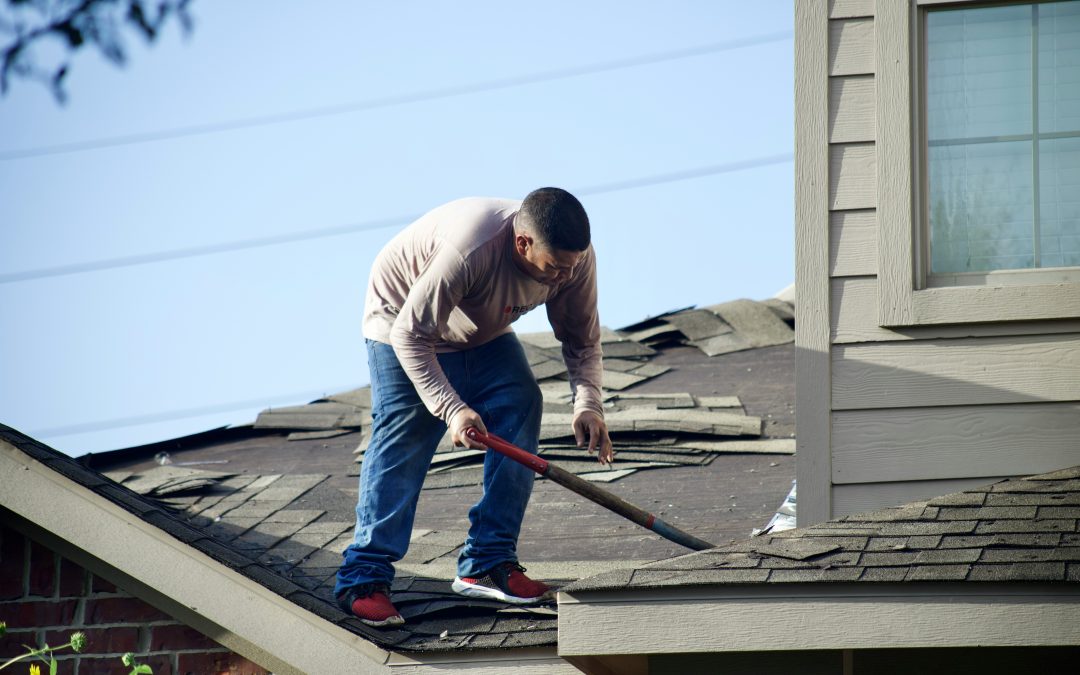
Your home’s exterior does more than just look good—it protects your house from the elements. Two important components in this protection system are soffit and fascia. They work together to protect your roofline, improve ventilation, and enhance curb appeal. But if you’ve been asking yourself, “how long does soffit and fascia last?” you’re not alone. Understanding their lifespan, maintenance needs, and signs of wear can help you plan repairs or replacements before problems become costly.
According to home improvement experts, well-maintained soffit and fascia can last anywhere from 20 to 50 years, depending on materials, climate, and care. Choosing the right materials and performing regular inspections can make a significant difference in durability.
What Are Soffit and Fascia?
Before diving into lifespan, it’s helpful to understand what soffit and fascia are and why they matter.
- Soffit: This is the horizontal panel located under the eaves of your roof. It provides ventilation for your attic, preventing moisture buildup and reducing the risk of mold or rot. Proper soffit installation also helps maintain consistent indoor temperatures and reduces energy costs.
- Fascia: The fascia is the vertical board that runs along the edge of your roof, often where gutters are attached. It provides structural support for your gutters and protects your roofline from water damage and pests.
Both components play essential roles in keeping your home safe, energy-efficient, and looking great.
Average Lifespan of Soffit and Fascia
The lifespan of soffit and fascia depends heavily on the materials used:
- Wood Soffit and Fascia: Traditionally popular, wood can last 20–30 years with proper maintenance, such as painting and sealing. However, wood is susceptible to rot, insect damage, and warping if not cared for regularly.
- Vinyl Soffit and Fascia: Vinyl is low-maintenance and resistant to rot and insects. High-quality vinyl can last 25–40 years, making it a popular choice for modern homes.
- Aluminum Soffit and Fascia: Aluminum is durable, resistant to rust, and lasts 30–50 years. It is often chosen for coastal homes where moisture and salt can damage wood.
- Fiber Cement Soffit and Fascia: Fiber cement is strong, fire-resistant, and can last 40–50 years. It requires minimal maintenance but comes with a higher upfront cost.
Understanding the material helps homeowners plan for replacement costs and maintenance schedules.
Factors That Affect Longevity
Several factors influence how long soffit and fascia last, including:
- Climate: Extreme heat, heavy rain, snow, or humidity can accelerate wear. Coastal areas with salty air may require more durable materials like aluminum or fiber cement.
- Maintenance: Regular inspections, cleaning gutters, and repainting or sealing wood surfaces prolong the life of these components.
- Pests: Birds, squirrels, and insects can damage soffit and fascia, reducing their lifespan. Preventative measures like mesh screens and sealants help protect your investment.
- Quality of Installation: Proper installation ensures that materials are secure, sealed, and ventilated correctly. Poor installation can lead to water damage, rot, or structural issues within a few years.
Signs Your Soffit and Fascia May Need Replacement
Even if you’re unsure about age, you can spot when soffit and fascia need attention. Common signs include:
- Peeling paint, rot, or warping on wood components
- Cracked, loose, or sagging panels
- Water damage or stains along the roofline
- Pest infestation in the eaves
- Rust or dents in aluminum panels
Noticing these issues early allows homeowners to repair or replace parts before they affect your roof or attic structure.
Maintenance Tips to Extend Lifespan
To maximize how long soffit and fascia last, follow these maintenance tips:
- Clean gutters regularly to prevent water overflow onto fascia boards
- Inspect the roofline for gaps, cracks, or damage at least twice a year
- Repaint or reseal wood soffit and fascia every few years
- Remove debris and leaves from soffit vents to maintain proper attic airflow
- Replace damaged panels promptly to prevent larger structural problems
Regular care can add years to the life of your soffit and fascia, saving you money on major repairs.
When to Consider Replacement
If your soffit or fascia is nearing the end of its expected lifespan or shows multiple signs of damage, replacement may be the best option. Modern materials like vinyl, aluminum, or fiber cement offer longer life with less maintenance. Professional installation ensures proper ventilation, water protection, and structural support.
For homeowners unsure about their soffit and fascia condition, scheduling an inspection with a licensed contractor can provide a clear assessment and a plan for replacement or repair.
Conclusion
So, how long does soffit and fascia last? While wood may last 20–30 years, vinyl and aluminum can last up to 50 years with proper care. Factors like climate, maintenance, and installation quality play a big role in longevity. By performing regular inspections, maintaining gutters, and addressing damage early, homeowners can maximize the life of these critical roofline components. Investing in high-quality materials and professional installation ensures that your soffit and fascia continue protecting your home efficiently and enhancing its curb appeal for decades.
For professional inspections and quality replacement options, homeowners can rely on experienced service providers who specialize in durable and long-lasting soffit and fascia installations.