
Your roof works hard every day, shielding your home from rain, wind, sun, and even snow. But like any part of a house, it needs care to keep performing at its best. Many homeowners wonder: how often to do roof maintenance to avoid expensive problems down the line? The short answer is at least twice a year, plus after any major storm.
According to the National Roofing Contractors Association (NRCA), regular roof maintenance can extend a roof’s life by as much as 50 percent. That means a little routine care could save you thousands of dollars in premature repairs or replacements.
Why Roof Maintenance Matters
Roofs are designed to last for decades, but they are constantly exposed to the elements. Over time, small issues like missing shingles or clogged gutters can turn into serious damage if ignored. Regular roof maintenance helps you:
- Catch problems early: Small leaks are easier to fix before they spread.
- Save money: Preventive maintenance is far cheaper than major repairs.
- Improve safety: A well-maintained roof reduces risks of leaks, mold, or structural damage.
- Extend lifespan: Care and timely repairs keep materials strong and durable.
Knowing how often to do roof maintenance helps you stay ahead of potential problems.
Recommended Roof Maintenance Schedule
So, how often should you really be checking your roof? The general guideline is twice a year—once in the spring and once in the fall. But certain situations may require more frequent inspections.
Twice a Year Inspections
- Spring: Check for winter damage like cracked shingles, ice dam impacts, or leaks caused by snow and freezing.
- Fall: Clear leaves, check gutters, and prepare the roof for winter storms.
After Major Storms
If your area experiences strong winds, heavy rain, or hail, inspect your roof as soon as it is safe. Storms often cause hidden damage that worsens quickly if left unchecked.
Based on Roof Type
Different roofing materials also affect how often to do roof maintenance.
- Asphalt shingles: Inspect twice a year. Look for curling, cracking, or missing shingles.
- Metal roofs: Require less frequent repairs, but still check twice a year for rust or loose fasteners.
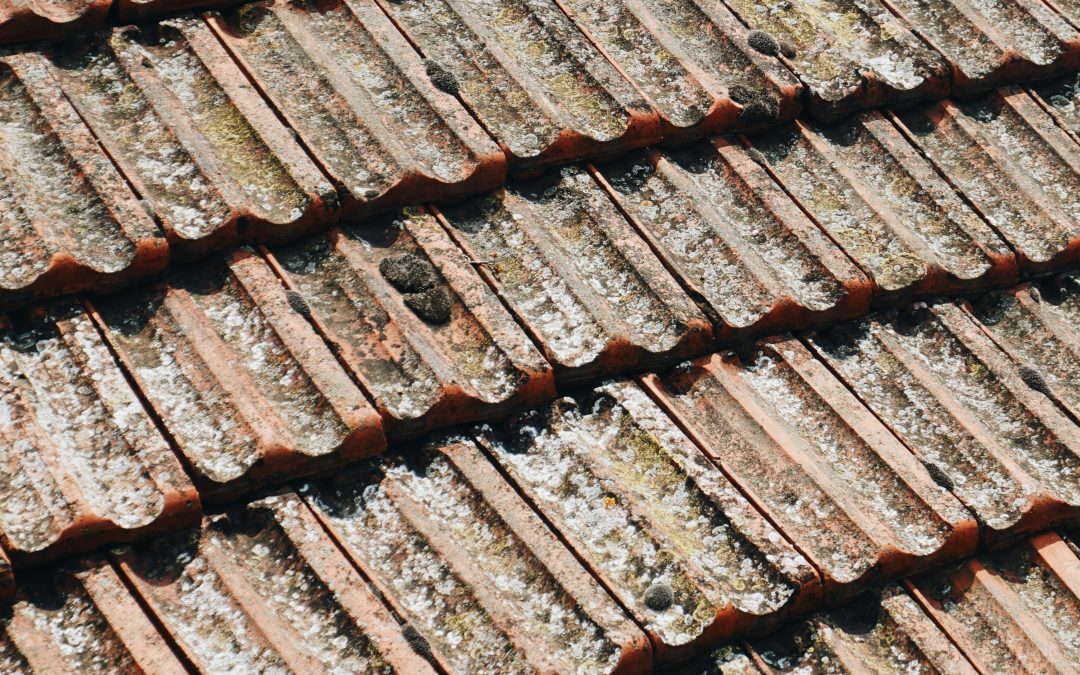
- Tile roofs: Inspect annually for broken tiles and moss growth.
- Flat roofs: Should be checked more often, especially for standing water and drainage problems.
What to Look for During Maintenance
Even if you are not a roofing professional, there are many things you can safely check yourself.
- Missing, loose, or damaged shingles
- Rust or corrosion on flashing and fasteners
- Clogged or sagging gutters
- Moss, algae, or mold growth
- Signs of water stains inside the attic or ceiling
- Pools of water on flat roofs
These checks help you spot problems early before they turn into costly repairs.
Professional Roof Inspections
While DIY checks are useful, it is also wise to schedule a professional roof inspection every two to three years. Roofers have the tools and experience to catch hidden issues like small leaks or structural weakness.
Professionals also provide detailed reports, which can be helpful if you are filing an insurance claim after storm damage.
Tips to Keep Roof Maintenance Simple
Knowing how often to do roof maintenance is just the start. These habits make upkeep easier:
- Clean gutters regularly: At least twice a year to prevent water backup.
- Trim overhanging branches: Reduces debris buildup and prevents damage from falling limbs.
- Remove moss and algae: These can weaken roofing material over time.
- Stay safe: Use binoculars for visual checks from the ground or hire professionals for climbing tasks.
Consistency is key. Small, regular efforts prevent larger problems later.
Final Takeaway
So, how often to do roof maintenance? The safe answer is twice a year, with additional checks after storms or unusual weather. Combine that with occasional professional inspections, and your roof will stay in strong shape for years to come.
Think of roof maintenance as insurance for your home. A little attention now saves you from big expenses later, while keeping your family safe and your house protected.