
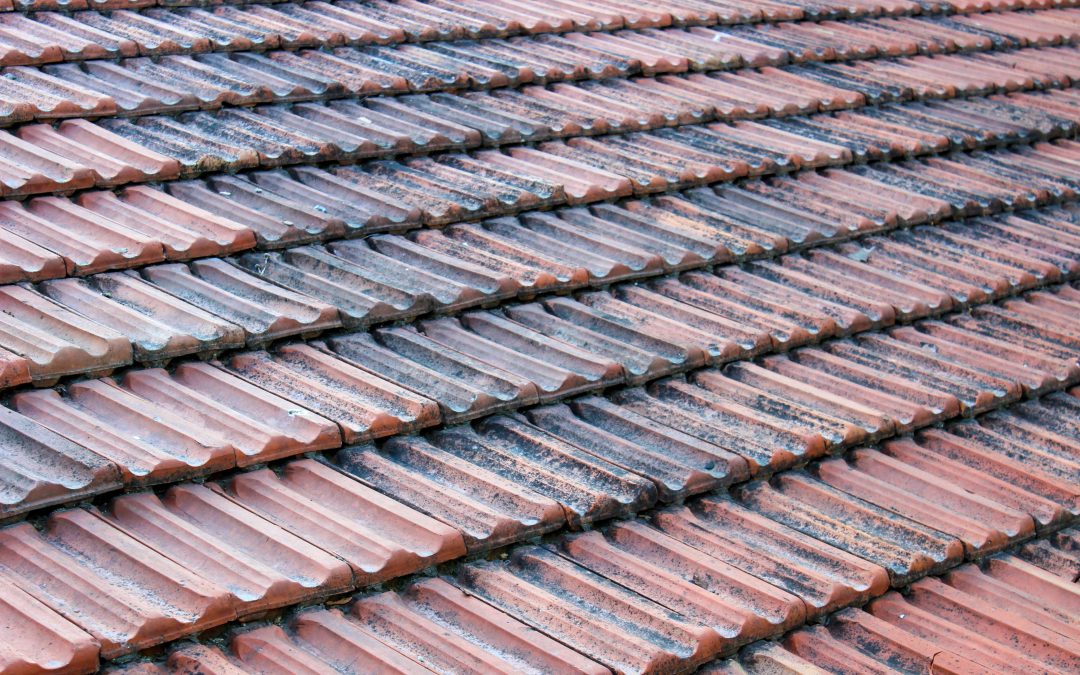
Your home’s roof is one of its most critical components. It shields your family, belongings, and structure from the elements. Using the right materials ensures long-term protection and peace of mind. Understanding how quality roofing materials protect residential properties helps homeowners make informed decisions that improve durability, safety, and value.
The importance of quality roofing materials
Not all roofing materials are created equal. Choosing high-quality products ensures your home is protected from rain, wind, hail, and extreme temperatures. According to the National Roofing Contractors Association, a well-constructed roof with quality materials can last 20 to 50 years depending on the type of material. Investing in premium materials reduces the likelihood of leaks, structural damage, and costly repairs.
Quality roofing materials not only protect homes but also enhance curb appeal and increase property value.
Durability against weather conditions
Weather is one of the main threats to residential properties. High-quality roofing materials are engineered to withstand heavy rain, strong winds, snow, and hail.
Benefits of durable roofing include:
- Preventing water infiltration and leaks
- Minimizing wind damage with impact-resistant shingles
- Reducing ice dam formation in colder climates
- Protecting against UV degradation in sunny regions
Durable materials maintain structural integrity and provide long-lasting protection for homeowners.
Fire resistance and safety
Certain roofing materials provide fire-resistant properties, offering an added layer of protection. Metal, slate, and specially treated asphalt shingles can resist ignition and slow the spread of fire.
Safety advantages include:
- Lowering risk of roof-related fires
- Meeting local building code requirements
- Protecting families and valuable belongings
- Potentially reducing homeowners insurance premiums
Fire-resistant materials are a proactive choice that enhances overall home safety.
Energy efficiency and climate control
Modern roofing materials also contribute to energy efficiency. Reflective shingles and insulated roofing help maintain indoor temperatures, reducing heating and cooling costs.
Energy-efficient benefits include:
- Lower utility bills due to reduced HVAC usage
- Improved indoor comfort throughout the year
- Eco-friendly materials that reduce environmental impact
- Enhanced home value due to energy-efficient features
By selecting quality materials, homeowners gain both protection and energy savings.
Aesthetic appeal and property value
Quality roofing materials are available in a wide range of colors, textures, and styles. Whether you prefer asphalt shingles, metal, clay tiles, or slate, premium materials enhance the visual appeal of a home.
Design considerations include:
- Coordinating roof color and style with home architecture
- Using textures to add depth and character
- Choosing materials that age gracefully over time
- Increasing resale value by investing in durable, attractive roofing
A well-chosen roof improves both aesthetics and marketability of residential properties.
Low maintenance and longevity
High-quality roofing materials often require less maintenance than lower-grade options. Durable products resist warping, cracking, and decay, meaning homeowners spend less time and money on repairs.
Maintenance advantages include:
- Fewer replacements or patch repairs over the roof’s lifespan
- Reduced risk of water damage and mold growth
- Long-lasting warranties from reputable manufacturers
- Peace of mind knowing your home is well-protected
Low-maintenance roofs provide long-term savings and consistent protection.
Protection against pests and environmental hazards
Certain roofing materials also protect homes from pests, such as rodents or insects, and environmental hazards like mold and algae growth. Materials like metal, slate, and treated shingles create barriers that prevent infestations and degradation.
Additional benefits include:
- Avoiding costly damage caused by pests
- Maintaining structural integrity of the roof and home
- Minimizing health risks associated with mold or mildew
- Preserving property value with well-maintained roofing
By choosing quality roofing materials, homeowners prevent both visible and hidden damage.
Professional installation enhances protection
Even the best materials require expert installation. Certified roofing contractors ensure that shingles, tiles, or metal panels are properly aligned, fastened, and sealed. Poor installation can compromise protection, void warranties, and lead to expensive repairs.
Professional installation benefits include:
- Ensuring maximum weather resistance and durability
- Compliance with local building codes and regulations
- Extended lifespan of roofing materials
- Reliable performance in all seasons
Proper installation combined with quality materials ensures comprehensive protection for residential properties.
Cost-effectiveness over time
While premium roofing materials may have higher upfront costs, they save money over time. Fewer repairs, lower maintenance, and extended lifespan reduce long-term expenses.
Cost-saving aspects include:
- Reduced emergency repair costs
- Fewer replacements over decades
- Energy savings from efficient materials
- Potential discounts on insurance premiums
Investing in quality materials provides long-term financial and practical benefits.
Conclusion
Choosing the right roofing materials is essential for protecting residential properties. Quality roofing enhances durability, fire resistance, energy efficiency, and curb appeal while reducing maintenance and repair costs. Understanding how quality roofing materials protect residential properties empowers homeowners to make informed decisions that safeguard their investment, ensure family safety, and improve long-term property value.