
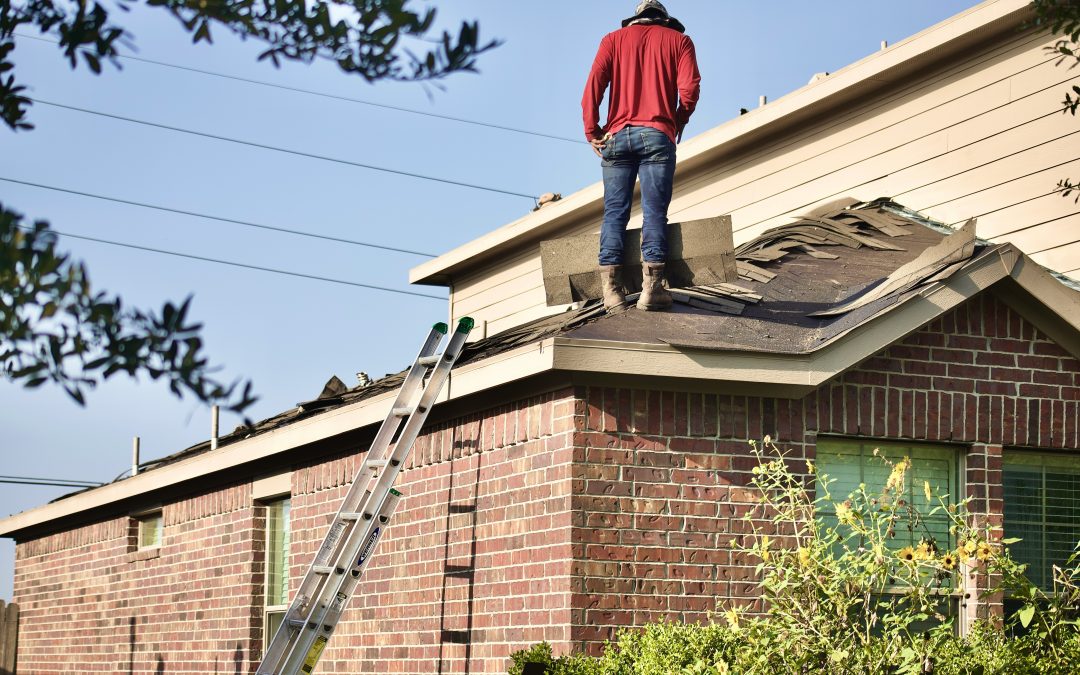
If rainwater is spilling over the edge of your roof, it is probably time to give your gutters some attention. Clogged gutters are one of the most common causes of roof leaks, damp walls, and foundation damage. The good news is that learning how to unblock roof gutters is easier than you might think — and doing it yourself can save you from expensive repairs later on. Whether you live in a leafy neighborhood or an area prone to heavy rain, regular maintenance keeps your home protected and your drainage system running smoothly.
Why Gutters Get Blocked
Gutters are designed to collect rainwater from your roof and direct it safely away from your home. Over time, leaves, twigs, moss, and dirt build up inside the channels. When this debris gets wet, it clumps together, blocking water flow. Birds sometimes add to the mess by building small nests in gutters or downspouts. If the blockage is not cleared, water overflows and seeps into your walls, roof edges, and even your home’s foundation.
Windy or rainy seasons make the problem worse, especially if you have tall trees nearby. Once a blockage forms, it tends to trap more debris, creating a cycle that leads to overflowing gutters and potential structural damage.
Signs That Your Gutters Are Blocked
You do not need to wait for a storm to know something is wrong. Here are the most common warning signs that your roof gutters need unblocking:
- Water spilling over the sides during rain
- Sagging or bulging sections of guttering
- Plants or moss growing inside the gutter
- Damp patches or peeling paint on exterior walls
- Rust marks or mold around the gutter joints
- Puddles forming near your foundation after rainfall
If you notice any of these, it’s time to act. Leaving the problem unresolved can lead to roof rot, damaged fascia boards, or leaks inside your home.
Tools and Safety Equipment You Will Need
Before climbing a ladder, gather the right tools and make safety your top priority. You will need:
- A sturdy extension ladder
- Thick gloves for protection
- A trowel or gutter scoop
- A bucket or garden bag for debris
- A hose or pressure nozzle for rinsing
- Safety goggles to protect from splashes
- Optional: a gutter cleaning attachment for a leaf blower or wet/dry vacuum
Always make sure your ladder is on level ground. If possible, have someone nearby to hold it steady. Never overreach while on the ladder; move it along the gutter instead.
How to Unblock Roof Gutters: Step-by-Step
Step 1: Remove Loose Debris
Start at a downspout end and work your way along the gutter. Using your gloved hands or a scoop, remove all leaves, twigs, and dirt. Place the waste into your bucket. Try not to push debris into the downspout, as it can cause further clogs.
Step 2: Check for Stubborn Blockages
Once most debris is removed, pour a small amount of water down the gutter. If it drains slowly or backs up, there is still a blockage inside the downspout.
To clear it, detach the lower end of the downpipe if possible and flush it with a hose. For tougher clogs, use a plumber’s snake or long stick to dislodge the debris.
Step 3: Rinse the Gutters Thoroughly
With the big pieces gone, rinse the gutter channels using a garden hose. Direct the flow toward the downspout. This helps clear out smaller particles like dirt and sand. Watch for leaks along the joints — if you see drips, seal them later with gutter sealant.
Step 4: Inspect for Damage
While you are cleaning, check for any signs of wear and tear. Look for cracks, loose brackets, rusted screws, or sagging sections. Fixing these small issues now prevents bigger problems down the line.
If your gutters are made of metal, make sure no sharp edges are sticking out. If you have plastic gutters, ensure all sections are snapped firmly into place.
Step 5: Flush the Downspouts
Finally, flush the downspouts thoroughly. Run the hose from the top opening to ensure water flows freely. If water backs up again, repeat the clearing process until it drains smoothly.
Additional Tips for Easier Gutter Maintenance
Install Gutter Guards
Gutter guards or mesh covers help prevent leaves and twigs from entering in the first place. They are especially helpful if your home is surrounded by trees. While they don’t eliminate cleaning entirely, they make it much easier and less frequent.
Trim Overhanging Branches
Tree branches that hang over your roof drop leaves and small twigs year-round. Trimming them back reduces debris buildup and helps your gutters stay clear longer.
Clean Twice a Year
Ideally, clean your gutters twice a year — once in late spring and again in autumn after the leaves have fallen. If you live in an area with frequent storms or dense trees, you may need to check more often.
Check After Heavy Rain
After strong storms, inspect your gutters for blockages or overflow. Catching small issues early prevents more serious water damage later.
Consider Professional Cleaning
If your roof is steep, your home is tall, or you simply prefer not to climb ladders, hiring professionals is a smart choice. They have the equipment and expertise to clean gutters safely and thoroughly. Many also offer inspections, ensuring you catch hidden problems early.
Why Keeping Gutters Clear Matters
Blocked gutters may seem like a minor issue, but they can cause costly damage over time. Overflowing water can soak roof edges, leading to rot, leaks, and mold. It can also stain exterior walls and erode your home’s foundation. In winter, trapped water may freeze and create heavy ice dams that pull gutters away from the roof.
Regular maintenance is far cheaper and easier than repairing structural damage. Clean gutters also improve drainage, prevent mosquito breeding in standing water, and make your home look well-kept.
A Real-Life Example
A homeowner in Manchester noticed rainwater spilling over one side of their house during storms. After ignoring it for a few months, they found damp marks on the living room ceiling. When they finally checked, the gutters were packed with moss and rotting leaves. Once cleaned and resealed, the problem disappeared completely. The repair cost less than £50, compared to the hundreds it would have cost to fix water-damaged walls.
Final Thoughts
Learning how to unblock roof gutters is one of the simplest yet most important home maintenance skills you can have. With just a few tools, some care, and regular checks, you can protect your home from leaks, dampness, and costly repairs. Clean gutters keep water flowing smoothly and your property in top shape all year round. So, grab those gloves, climb carefully, and give your gutters the attention they deserve — your roof will thank you later.