
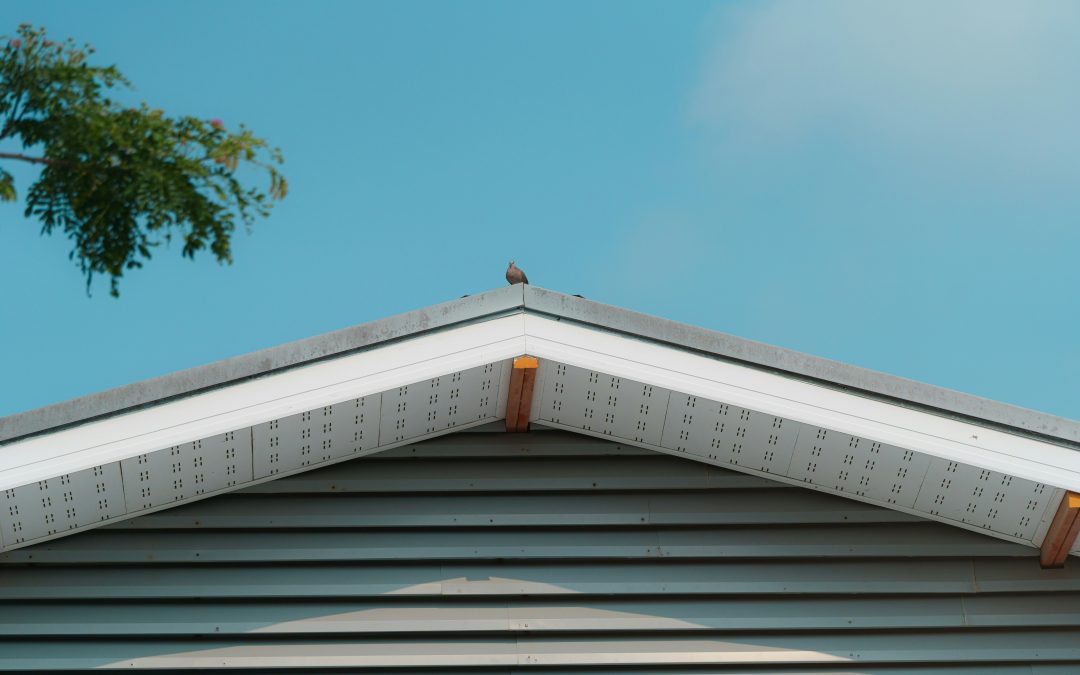
When planning a roof for your home, you may notice that many houses feature overhangs extending beyond the walls. If you’ve ever wondered what is the purpose of an overhang on a roof, the answer goes beyond aesthetics. Roof overhangs serve multiple practical and visual functions, from protecting your home to enhancing its design. Understanding these benefits can help homeowners and builders make informed choices.
Protection from Weather Elements
One of the primary purposes of a roof overhang is to protect your home from the elements. Overhangs extend beyond the exterior walls and act as a shield against:
- Rain and snow: Overhangs prevent water from running down the walls, reducing the risk of leaks, water damage, and mold growth.
- Sun exposure: They provide shade to windows and walls, which can protect interior furnishings from fading and help maintain a cooler indoor temperature.
- Wind: Overhangs can reduce the force of wind hitting the walls directly, offering additional protection during storms.
By directing water and shielding walls, roof overhangs contribute to the overall durability and longevity of your home.
Energy Efficiency and Comfort
Another important purpose of an overhang on a roof is improving energy efficiency. Overhangs help regulate indoor temperatures by controlling sunlight exposure:
- Summer cooling: Properly designed overhangs block high-angle summer sunlight, reducing the need for air conditioning.
- Winter warmth: Shorter-angle winter sun can still enter through windows, allowing passive solar heating to warm your home naturally.
- Reduced energy bills: By minimizing the reliance on heating and cooling systems, overhangs can help homeowners save money on energy costs.
Strategically sized and positioned overhangs can significantly improve comfort and efficiency throughout the year.
Protecting Exterior Surfaces
Roof overhangs also protect exterior surfaces such as siding, paint, and trim. Constant exposure to rain, sun, and wind can lead to premature wear, fading, and damage. By extending beyond the walls:
- Siding and paint last longer
- Wood trim is shielded from rot and decay
- Windows and doors face less exposure to moisture and temperature fluctuations
This protection reduces maintenance needs and prolongs the lifespan of your home’s exterior materials.
Enhancing Drainage
Proper water management is crucial to prevent foundation issues and soil erosion. Overhangs work in tandem with gutters to direct water away from your home:
- Rainwater falls off the roof edge into gutters
- Gutters channel water safely away from the foundation
- Reduces the risk of basement leaks, foundation cracks, and landscaping damage
In essence, overhangs help safeguard both the structure of your home and your outdoor spaces.
Aesthetic and Architectural Value
Beyond practical benefits, overhangs also enhance a home’s visual appeal. They can contribute to:
- Architectural style: Overhangs are a key feature in designs like Craftsman, Mediterranean, and modern homes.
- Proportion and balance: They create visual harmony and balance between the roof and walls.
- Outdoor space: Larger overhangs can provide covered patios or porches, adding usable outdoor areas.
The combination of function and style makes overhangs a versatile design element for any roof.
Supporting Roof Ventilation
Another subtle but important purpose of a roof overhang is aiding ventilation. Overhangs often incorporate soffits, which allow air to flow into the attic. Proper attic ventilation:
- Prevents moisture buildup that can lead to mold and rot
- Reduces heat accumulation, protecting shingles and insulation
- Improves energy efficiency by allowing cooler attic temperatures
This enhances both the roof’s longevity and the home’s overall comfort.
Choosing the Right Overhang Size
The size of a roof overhang depends on climate, roof design, and personal preference:
- Standard overhang: 12–24 inches is typical for most homes, providing basic protection.
- Extended overhang: 24–36 inches or more can offer additional shade and rain protection, ideal for sunny or rainy climates.
- Climate considerations: Larger overhangs help in hot climates by blocking sun, while moderate overhangs work in areas with heavy snowfall to avoid snow buildup on edges.
Consulting with a roofing professional ensures your overhang is both functional and visually appealing.
Final Thoughts
So, what is the purpose of an overhang on a roof? It serves multiple roles—from protecting your home against rain, sun, and wind, to improving energy efficiency, enhancing aesthetics, supporting ventilation, and extending the life of exterior materials. A well-designed overhang combines practicality with style, making it an essential feature of any roof. Understanding its benefits helps homeowners make informed decisions that safeguard their property and improve comfort year-round.