
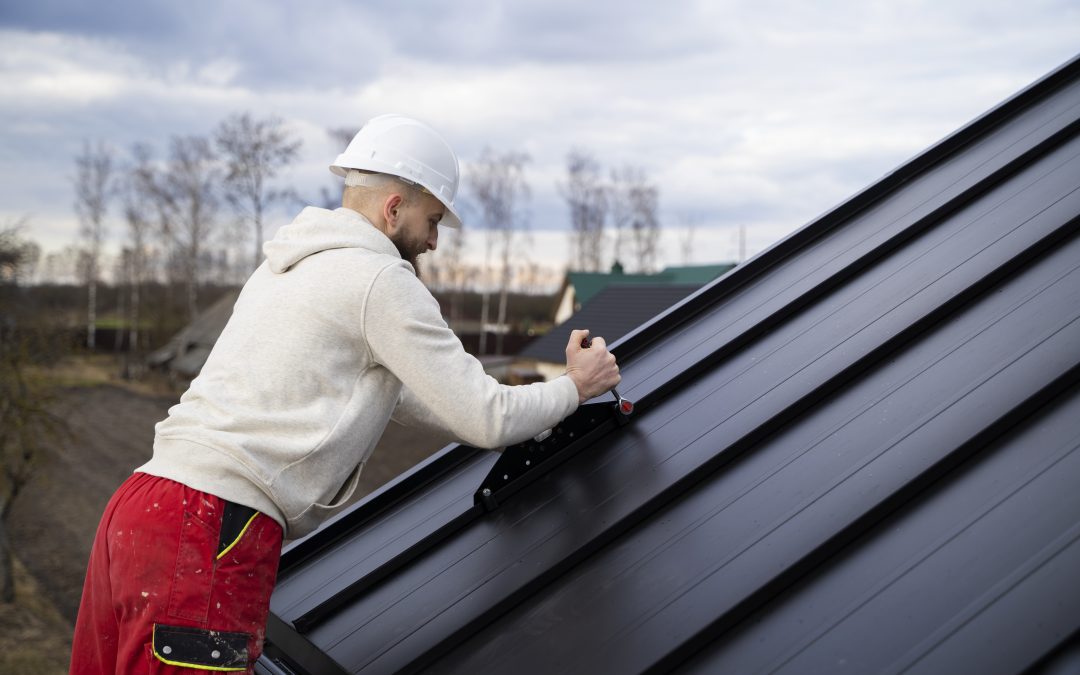
Let’s talk about something most homeowners don’t think about until it becomes a problem—roof flashing. It might not be the most glamorous part of your home, but it’s definitely one of the most important when it comes to preventing leaks. Roof flashing is a thin piece of metal (usually aluminum, galvanized steel, or copper) installed around vulnerable parts of your roof to keep water out. Think chimneys, vents, skylights, and places where two roof sections meet—those areas need extra protection, and that’s exactly what flashing provides.
Why Roof Flashing Is So Important
Picture this: it’s raining heavily, and water is flowing down your roof. Without flashing, water could easily find its way into the cracks where your roof meets a wall or around that cozy fireplace chimney. Over time, this can lead to leaks, wood rot, mold, and thousands of dollars in repairs.
In fact, according to the National Roofing Contractors Association, poor flashing is one of the most common causes of roof leaks. That’s because it acts like a water barrier, guiding water safely off the roof and into the gutter system, instead of letting it seep inside your house.
Types of Roof Flashing
Not all flashing is the same—different parts of your roof require different types. Here’s a quick breakdown:
- Step Flashing: Used where a roof meets a wall. It’s installed in layers to direct water away from the seam.
- Valley Flashing: Placed in the “valleys” where two roof slopes meet. It helps guide water down the roof.
- Chimney Flashing: Protects the base of your chimney from leaks. Usually a combination of step and counter flashing.
- Drip Edge Flashing: Installed along the edges of the roof to help water flow into gutters.
- Vent Pipe Flashing: Seals the area around pipes that stick up through the roof.
Knowing these types helps you understand what your roofer is talking about and spot problems early.
Common Materials Used for Flashing
The material you choose affects both the durability and the cost of your flashing. Here are a few common choices:
- Aluminum: Lightweight, affordable, and easy to work with. Often used in residential roofs.
- Copper: Long-lasting and rust-resistant. It develops a natural patina over time but can be expensive.
- Galvanized Steel: Very durable and commonly used in commercial and residential settings.
- Rubber or Plastic: Sometimes used around vent pipes, but not as long-lasting as metal.
Your roofer will choose the right type based on your roof design, weather exposure, and budget.
What Can Go Wrong with Roof Flashing?
Here’s the thing: even if you have flashing installed, it won’t do much good if it’s damaged or poorly installed. Over time, flashing can corrode, come loose, or develop cracks. And when that happens, water finds its way inside.
Signs of flashing issues include:
- Water stains on ceilings or walls
- Mold or mildew in the attic
- Rust or visible damage to the flashing
- Loose or missing shingles around flashing points
The key is catching these problems early—before water damage sets in.
How to Inspect and Maintain Flashing
You don’t need to be a roofing expert to keep an eye on your flashing. Here are a few tips for seasonal maintenance:
- Visual Check: After big storms or once every few months, look at your roof from the ground (binoculars help). If anything looks bent, missing, or rusted, it’s time to call a pro.
- Clean Debris: Leaves and twigs can build up around roof valleys and flashing, trapping moisture.
- Sealant Check: Some flashing is sealed with caulk, which can crack over time. If it looks dry or flaky, it might need re-sealing.
A quick inspection now can save you from major repairs later.
Flashing and New Roof Installations
If you’re replacing your roof, make sure flashing is part of the conversation with your contractor. Some roofers try to reuse old flashing to cut corners—but it’s not always a good idea. Reusing flashing can lead to problems, especially if it’s already showing signs of wear.
Ask your contractor to include new flashing installation in the project. It’s a relatively small cost in the grand scheme of a roof replacement but adds major value by protecting your home long-term.
When to Call a Professional
While it might be tempting to fix flashing yourself, working on a roof can be dangerous. If you’re seeing signs of water damage or flashing failure, it’s best to call in a licensed roofer. They’ll know what kind of flashing is needed, how to install it properly, and how to ensure everything is sealed tight.
Final Thoughts
Roof flashing doesn’t get much attention, but it’s one of the most critical parts of a roofing system. It quietly does its job, keeping rain, snow, and moisture out of your home. Regular inspections, proper installation, and knowing what to look for can help you avoid costly repairs and keep your home protected for years to come.
So next time you look up at your roof, remember—it’s not just the shingles that matter. That thin line of metal around your chimney or roof valley? That’s roof flashing working hard to keep you dry.