
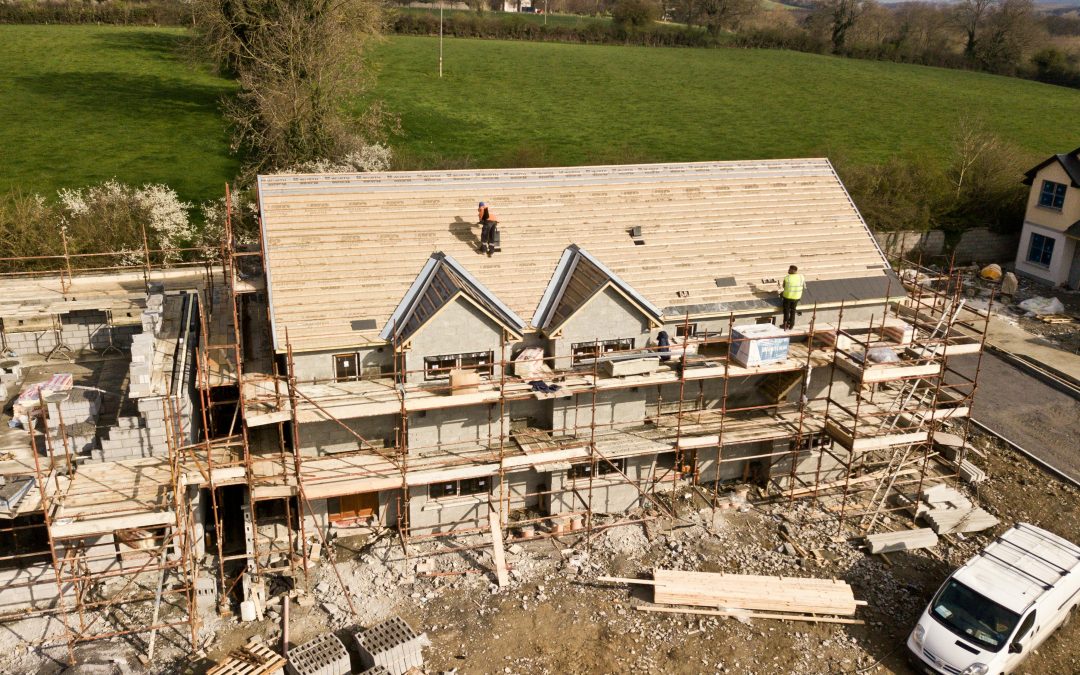
So you had a new roof installed, but something feels off. Maybe you’re spotting leaks, loose shingles, or just a general “this isn’t right” feeling. If you’ve been thinking, Was this roof not installed properly?—you might be onto something.
Unfortunately, poor roof installation is more common than most homeowners think. According to the National Roofing Contractors Association, over 80% of all roof problems are due to installation errors—not materials. That’s a staggering number and a huge reason why it’s important to catch issues early.
Here’s how to spot the warning signs and what to do if your suspicions are right.
1. Your Roof Looks Uneven or Wavy
One of the easiest ways to tell if your roof was not installed properly is to just look at it. Step back and examine the surface. Are there areas that dip or bulge? Do the shingles look uneven or wavy in spots?
This could mean the contractor didn’t prepare the underlayment correctly or installed the shingles too quickly without lining things up. A roof should lie flat, with neat, straight lines across the entire surface. If not, it’s a sign something went wrong beneath the surface.
2. You’re Seeing Leaks Soon After Installation
A new roof should keep your home completely dry for years. If you notice water stains on your ceiling or walls just months—or even weeks—after a roof install, that’s a red flag.
Leaks after a new installation usually point to poor flashing around chimneys, vents, or valleys. It might also mean nails were improperly placed or not sealed. Either way, leaks are a clear sign your roof was not installed properly, and they can cause serious damage if ignored.
3. Missing or Loose Shingles
Shingles shouldn’t start falling off in the first few seasons. If you find loose or missing shingles after a windy day, that’s not normal for a recently installed roof.
This could happen if the installer used the wrong number of nails, placed nails incorrectly, or didn’t secure the shingles properly. A roof should be able to handle wind and weather—especially when it’s new.
4. Poor Drip Edge or Flashing Work
The drip edge and flashing are key parts of your roof’s defense against moisture. Flashing protects the vulnerable joints and valleys, while the drip edge keeps water away from the fascia and foundation.
If you notice rust, gaps, or poorly sealed metal flashing around edges, chimneys, or skylights, that’s a big indicator your roof was not installed properly. In some cases, flashing is skipped altogether—especially by contractors trying to cut corners.
5. Inadequate Ventilation
Ventilation may not be the first thing that comes to mind, but it’s essential for your roof’s health. Without proper airflow in the attic, heat and moisture can build up, leading to premature aging of your shingles and insulation problems.
If your energy bills spike, or you notice mold or dampness in the attic, it might mean the installer didn’t address ventilation correctly. A good roofing job always considers airflow.
6. Incorrect Nail Placement
Roofing nails might seem like a small detail, but they’re actually a major part of the system. Nails should be placed in specific areas on the shingles—not too high, not too low, and definitely not driven in crooked.
Improper nailing can lead to lifted shingles, water intrusion, and even structural issues over time. If a roofer used too few nails or didn’t follow manufacturer guidelines, you’ve got a problem.
7. Your Contractor Isn’t Responding
Here’s one more sign that your roof might not have been installed properly: the contractor disappears the moment you call with concerns.
A reputable roofer stands by their work. If the company that did your roof won’t respond to calls, doesn’t offer a workmanship warranty, or refuses to inspect their own installation, you’re likely dealing with subpar service—and potentially, a poorly installed roof.
What You Can Do Next
If you suspect your roof was not installed properly, don’t wait for the next storm to find out the hard way. Here’s what you should do:
- Get a second opinion: Call a licensed, experienced roofer to inspect the work. Look for one who isn’t affiliated with the original installer.
- Request a detailed inspection report: This will help you understand exactly what’s wrong and what it will take to fix it.
- Document everything: Take clear photos and notes. If the original contractor refuses to fix the job, this could help in legal or insurance claims.
- Check your warranty: Many roofing products come with manufacturer warranties that require proper installation. If that wasn’t done, you might be able to take action.
A Final Thought
Dealing with a roof not installed properly is frustrating—and let’s face it, expensive. But the sooner you catch the signs, the more damage (and money) you can prevent down the line.
Whether it’s uneven shingles, mystery leaks, or missing flashing, trust your instincts. If something feels wrong, it probably is. Get a second opinion, don’t ignore the red flags, and protect your investment—your home deserves it.