
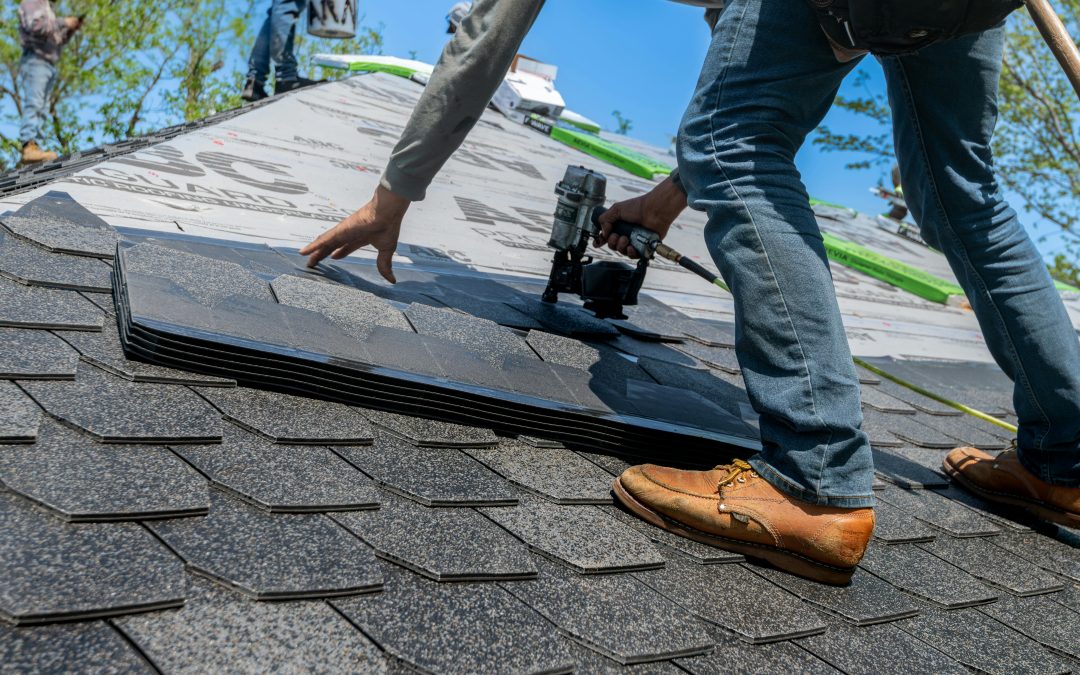
If your home has been standing strong for decades, that is something to be proud of. But while walls and foundations often last a long time, roofs tell a different story. Over the years, constant exposure to sun, rain, wind, and temperature changes slowly wears them down.
At some point, repairs are no longer enough. That is when roof replacement for aging homes becomes the smarter and safer choice. It might sound like a big project, but with the right understanding, it becomes much more manageable than you think.
Let’s walk through what you need to know so you can make confident decisions about your home.
Why Older Roofs Start to Fail
Roofs are built to last, but they are not built to last forever. Most materials have a limited lifespan depending on quality and environmental conditions.
For example:
- Asphalt shingles often last around 20 to 30 years
- Metal roofs can last 40 to 70 years
- Clay or concrete tiles may last even longer with proper care
According to the National Association of Home Builders, many common roofing materials have predictable life spans, which makes regular inspection important as homes age.
Over time, materials weaken, seals break down, and small issues start appearing more frequently.
Signs Your Roof Might Need Replacement
It is not always obvious when a roof has reached the end of its life. Some signs are easy to spot, while others are more subtle.
Here are a few things to watch for:
- Frequent leaks even after repairs
- Missing or curling shingles
- Visible sagging or uneven areas
- Mold or moisture in the attic
- High energy bills due to poor insulation
If you are noticing several of these at once, roof replacement for aging homes might be the better long term solution.
Repair or Replace How to Decide
One of the biggest questions homeowners face is whether to repair the roof or replace it entirely. The answer depends on the extent of the damage and the age of the roof.
Repairs might be enough if:
- Damage is limited to a small area
- The roof is still relatively new
- There are no structural issues
Replacement is usually the better option if:
- Problems keep coming back
- The roof is near the end of its lifespan
- Damage is widespread
Choosing replacement early can sometimes save money by avoiding repeated repairs.
Benefits of Replacing an Old Roof
While the idea of replacing a roof might feel overwhelming, it comes with several important benefits.
You can expect:
- Better protection against weather
- Improved energy efficiency
- Increased property value
- Reduced maintenance costs
A new roof also gives you peace of mind, knowing your home is properly protected.
Choosing the Right Roofing Material
When planning roof replacement for aging homes, selecting the right material is an important step. Each option has its own advantages.
Some common choices include:
- Asphalt shingles which are affordable and widely used
- Metal roofing which is durable and long lasting
- Tile roofing which offers a classic look and strong performance
Your choice should depend on your budget, climate, and the overall style of your home.
Understanding the Cost Factors
Roof replacement costs can vary, and it helps to know what influences the final price.
Key factors include:
- Size of the roof
- Type of material selected
- Labor costs in your area
- Condition of the existing structure
It is always a good idea to get detailed estimates so you know exactly what to expect.
Preparing Your Home for the Project
Before the work begins, a little preparation can make the process smoother for everyone involved.
You can:
- Clear the area around your home
- Protect fragile items inside
- Inform neighbors about the project
Roof replacement can be a bit noisy and busy, but it is usually completed within a few days depending on the size of the home.
Improving Energy Efficiency with a New Roof
An aging roof often loses its ability to properly insulate your home. This can lead to higher energy bills as heating and cooling systems work harder.
A new roof can improve insulation and ventilation, helping maintain a stable indoor temperature. This not only saves energy but also makes your home more comfortable year round.
Common Mistakes to Avoid
When dealing with roof replacement for aging homes, a few mistakes can lead to unnecessary stress or expense.
Try to avoid:
- Delaying replacement for too long
- Choosing materials based only on price
- Hiring unverified contractors
- Skipping proper inspections
Making informed decisions from the start can save time and money later.
How Long Does a Roof Replacement Take
Many homeowners worry about how long the process will disrupt their daily routine. The good news is that most roof replacements are completed fairly quickly.
In many cases:
- Small to متوسط homes take 2 to 3 days
- Larger or more complex roofs may take up to a week
Weather conditions and material availability can also affect the timeline.
Why Acting Early Makes a Difference
Waiting too long to replace an aging roof can lead to bigger problems like structural damage, mold growth, and interior water damage.
Taking action at the right time helps you:
- Avoid emergency repairs
- Protect your home’s structure
- Maintain property value
Roof replacement for aging homes is not just about fixing a problem. It is about preventing future ones.
Final Thoughts on Protecting Your Home
Your roof plays a vital role in keeping your home safe and comfortable. As it ages, paying attention to its condition becomes more important than ever.
Roof replacement for aging homes may seem like a big step, but it is often the most practical and cost effective decision in the long run. With proper planning and the right choices, you can upgrade your home with confidence.
Take the time to assess your roof, explore your options, and move forward when the time is right. Your home will thank you for it.