
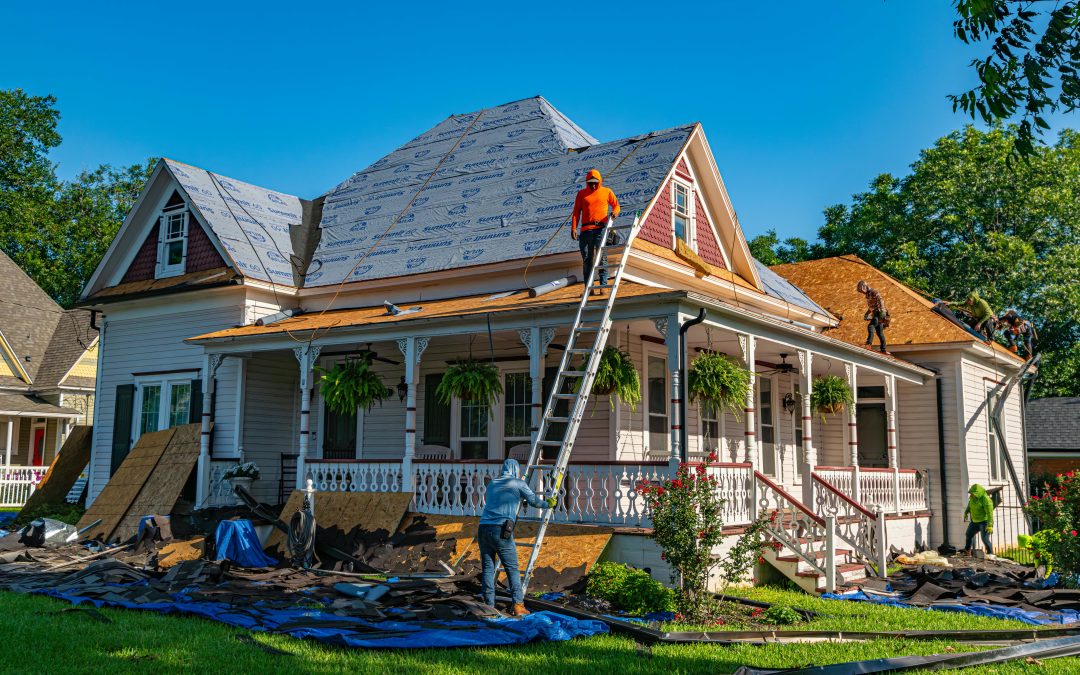
Your roof does a lot more than you probably think about day to day. It protects your home, keeps you comfortable, and quietly handles everything from heat to heavy rain. The problem is that many homeowners only think about it when something goes wrong.
That is where things get tricky. One of the most common issues people face is roof replacement timing homeowners misjudge. Waiting too long or acting too early can both cost more than necessary. So how do you find the right balance?
Let’s break it down in a way that actually helps you make smarter decisions.
Why Timing Matters More Than You Think
Replacing a roof is a major investment, so it makes sense that homeowners want to get the most out of it. But timing is everything.
According to the National Association of Home Builders, asphalt shingle roofs typically last around 20 to 30 years depending on climate and maintenance. That range sounds simple, but real life is not always that predictable.
Weather conditions, installation quality, and ventilation all affect how long your roof actually lasts. That is why relying on age alone can lead to mistakes.
Waiting Too Long Is the Most Common Mistake
Many homeowners try to stretch their roof’s lifespan as much as possible. While that might seem cost effective, it often backfires.
Delaying replacement can lead to:
- Water leaks that damage ceilings and walls
- Mold growth due to trapped moisture
- Structural issues in extreme cases
- Higher repair costs over time
What starts as a small issue can quickly turn into a much bigger problem. This is one of the key examples of roof replacement timing homeowners misjudge.
Replacing Too Early Can Also Cost You
On the flip side, some people replace their roof before it is truly necessary. This often happens after a minor issue or simply because the roof has reached a certain age.
While caution is understandable, premature replacement means spending money sooner than needed. If the roof still has years of life left, that investment could have been delayed.
The goal is to replace your roof when it is needed, not just when it feels convenient.
Signs Your Roof Might Be Near the End
Instead of focusing only on age, it helps to watch for clear warning signs. These indicators give you a better idea of your roof’s condition.
Look out for:
- Shingles that are cracked, curled, or missing
- Granules collecting in gutters
- Frequent leaks or water stains inside your home
- Sagging areas or uneven sections
- Visible wear after storms
These signs often point to a roof that is nearing the end of its lifespan.
Climate Plays a Bigger Role Than You Expect
Where you live has a major impact on your roof. Homes in areas with extreme weather tend to experience faster wear and tear.
For example:
- Heavy rain can weaken materials over time
- Intense sun exposure can cause shingles to dry out and crack
- Strong winds can loosen or remove roofing components
Because of this, roof replacement timing homeowners misjudge often depends on not fully considering local climate conditions.
Regular Inspections Make a Huge Difference
One of the easiest ways to avoid timing mistakes is through regular inspections. A professional inspection once a year or after major storms can help catch issues early.
Inspections can:
- Identify hidden damage
- Assess overall roof condition
- Provide realistic timelines for replacement
This proactive approach takes the guesswork out of decision making.
Repairs Versus Replacement
Not every problem means you need a full replacement. Sometimes a repair is enough to extend your roof’s life.
Minor issues like a few missing shingles or small leaks can often be fixed quickly. However, if problems are widespread or recurring, replacement may be the better long-term solution.
Knowing when to repair and when to replace is a key part of avoiding roof replacement timing homeowners misjudge.
Budgeting Ahead Reduces Stress
Roof replacement is not something most people want to deal with suddenly. Planning ahead can make the process much smoother.
Setting aside funds over time helps you prepare for the eventual replacement. This way, you are not forced into a rushed decision when problems arise.
It also gives you time to compare options and choose materials that fit your needs and budget.
Choosing the Right Season Matters Too
Timing is not just about when to replace your roof in its lifespan. It also includes the time of year.
Many roofing projects are easier to complete during mild weather conditions. Extreme heat or heavy rain can slow down work and affect installation quality.
Planning your replacement during a suitable season helps ensure better results.
Work With Professionals You Trust
Getting advice from experienced roofing professionals can make a big difference. They can evaluate your roof honestly and recommend the best course of action.
Look for contractors who:
- Offer detailed inspections
- Provide clear explanations
- Have strong local experience
A reliable professional helps you avoid unnecessary work while ensuring your home stays protected.
Conclusion: Get the Timing Right and Save More in the Long Run
Your roof is one of the most important parts of your home, yet it is easy to overlook until something goes wrong. Understanding roof replacement timing homeowners misjudge can help you avoid costly mistakes.
Do not rely on guesswork. Pay attention to signs, consider your climate, and schedule regular inspections. These steps make it easier to act at the right time.
In the end, the goal is simple. Replace your roof when it truly needs it, not too early and not too late. That balance protects your home and your budget.