
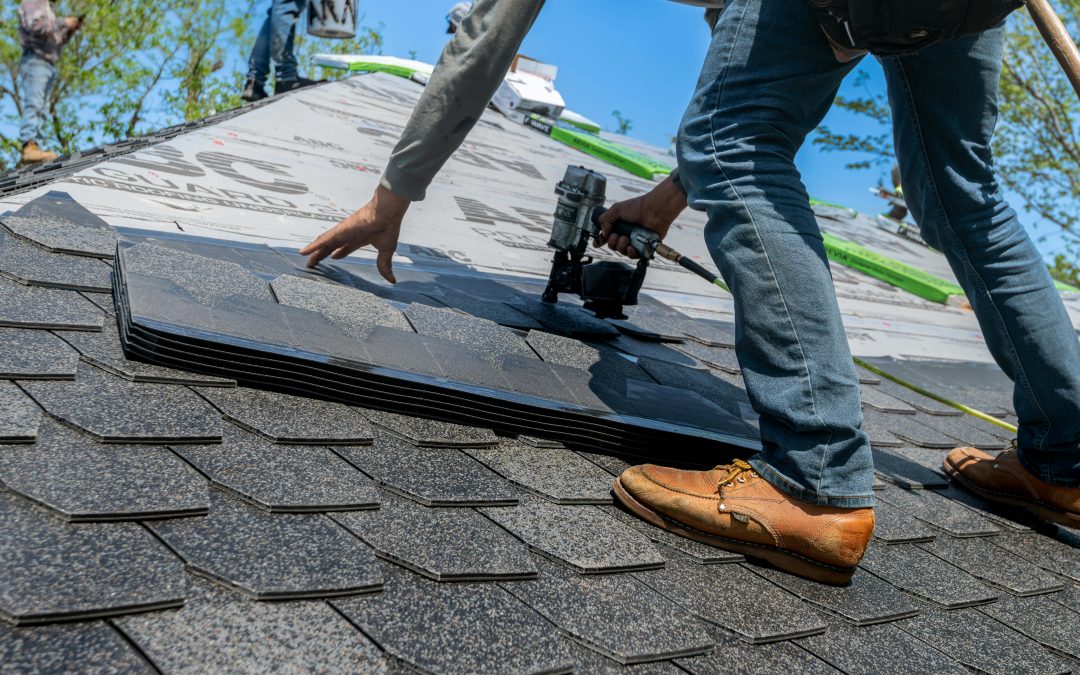
A roof is your home’s first line of defense against weather, temperature changes, and water damage. Damaged shingles, even small ones, can compromise the integrity of your roof and lead to leaks or structural problems. Finding the right solution for damaged shingles ensures your home stays safe, dry, and well maintained. With prompt action and the right repairs, you can extend the life of your roof and avoid costly damage.
Why Addressing Damaged Shingles Is Important
Ignoring damaged shingles can quickly lead to bigger problems. According to the National Roofing Contractors Association, failing to repair minor roof damage can result in leaks that cost thousands in water damage repairs.
Prompt attention to damaged shingles:
- Prevents water infiltration and mold growth
- Protects insulation and interior structures
- Maintains energy efficiency and home comfort
- Extends the lifespan of your roof
Taking immediate steps ensures your roof remains strong and functional.
Inspect Your Roof Carefully
The first step in finding a solution for damaged shingles is a thorough inspection.
Inspection tips include:
- Look for missing, cracked, or curling shingles
- Check for granule loss on shingles, which indicates aging
- Inspect around chimneys, vents, and skylights for damaged flashing
- Note any water stains or leaks inside the attic or ceiling
Regular inspections help identify issues early and reduce the risk of larger, costly repairs.
Temporary Measures to Prevent Further Damage
If you notice damage during a storm or cannot repair immediately, temporary solutions can protect your home until professional repairs are possible.
Temporary fixes include:
- Covering damaged areas with a tarp
- Using roofing cement to seal small cracks or gaps
- Placing buckets to catch minor leaks inside the house
While temporary measures are not a permanent solution, they prevent further damage and give you time to plan a proper repair.
Repair or Replace Damaged Shingles
Repairing or replacing shingles is a core part of solving damaged shingle problems.
Key steps for repair:
- Remove broken or cracked shingles carefully
- Install new shingles matching your roof type and color
- Seal nails and edges with roofing cement to prevent leaks
- Replace flashing if necessary for a complete repair
Professional roofing contractors can ensure repairs are done safely and correctly, preventing future issues.
Maintain Proper Roof Ventilation
Poor roof ventilation can accelerate shingle damage by causing heat and moisture buildup. Proper airflow extends shingle life and reduces repair needs.
Tips for ventilation:
- Ensure soffit vents and ridge vents are unobstructed
- Inspect attic insulation to prevent moisture buildup
- Use professional guidance to adjust or upgrade ventilation systems
Good ventilation works alongside repairs to preserve the longevity of your roof.
Inspect Gutters and Downspouts
Clogged gutters and downspouts contribute to roof shingle damage by causing water to back up and pool on the roof.
Maintenance tips include:
- Clean leaves and debris from gutters regularly
- Check for sagging or damaged sections and repair as needed
- Ensure downspouts direct water away from your home foundation
Proper water management prevents water damage and reduces stress on shingles.
Consider Roof Coatings and Protective Treatments
For older roofs or minor shingle damage, applying roof coatings or sealants can be an effective solution.
Benefits of roof coatings:
- Provide a waterproof barrier over damaged areas
- Protect shingles from UV rays and weather exposure
- Extend the lifespan of aging roofs
- Reduce minor leaks before full replacement is needed
Roof coatings are cost effective and enhance the overall durability of your roof.
Know When to Replace the Roof
Sometimes, a roof with extensive shingle damage may require a full replacement. Signs you may need a replacement include:
- Multiple shingles missing or broken across large areas
- Significant granule loss or visible sagging
- Persistent leaks despite repairs
- Roof age nearing the end of its expected lifespan
A roof replacement provides a long term solution, ensuring your home remains protected for decades.
Prevent Future Shingle Damage
Once repaired, implementing preventive measures reduces the likelihood of recurring damage.
Prevention tips include:
- Trim overhanging tree branches to avoid debris or falling limbs
- Schedule regular roof inspections at least twice a year
- Address minor issues immediately before they worsen
- Maintain gutters and ventilation to reduce stress on shingles
Consistent care and maintenance are key to avoiding frequent repairs and preserving your roof’s integrity.
Practical Takeaway for Homeowners
A solution for damaged shingles involves timely inspection, repair or replacement, proper ventilation, and regular maintenance. Temporary measures can protect your home until professional repairs are made, while preventive strategies extend the life of your roof. Addressing damaged shingles promptly safeguards your home from leaks, mold, and structural damage, ensuring comfort, safety, and long term value.