
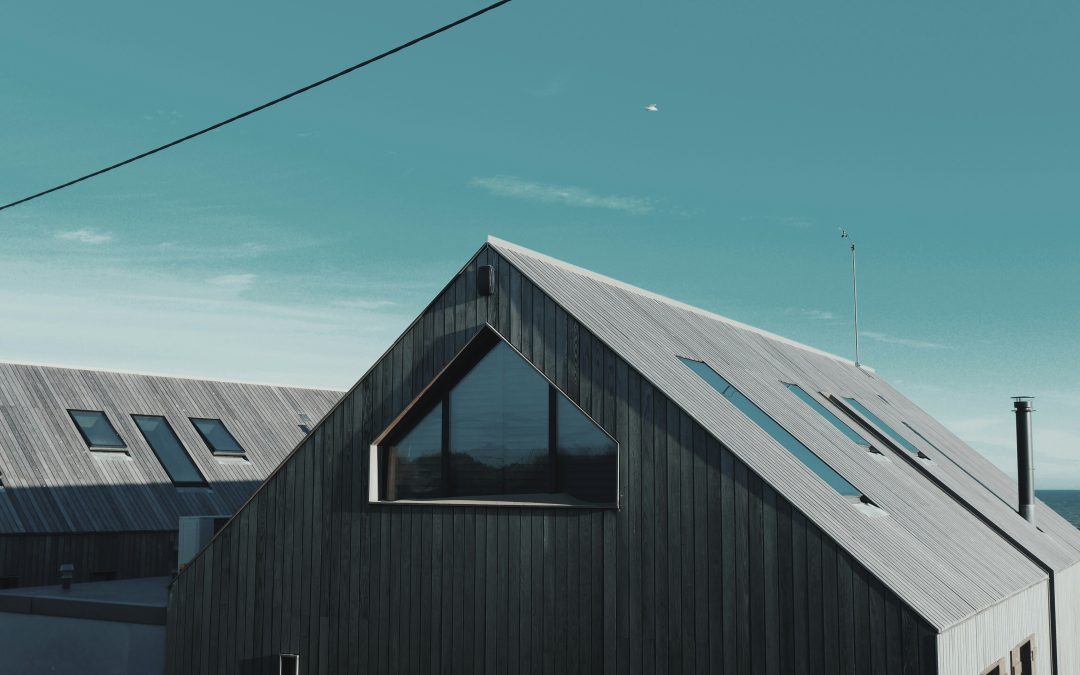
Ever looked at houses and wondered why some roofs are flat, others are pointy, and some look like they’re straight out of a fairytale? That’s all about roof structure. Whether you’re building, renovating, or just curious, understanding the types of roof structure can help you appreciate how design meets function.
Let’s explore the most common roof structures, what makes each one unique, and when they’re typically used.
Why Roof Structure Matters
Roof structure isn’t just about appearance — it affects everything from your home’s ventilation and insulation to how well it handles wind, rain, and snow. The right design can make your home more energy-efficient and durable, while the wrong one could cause costly problems down the line.
According to the National Roofing Contractors Association (NRCA), choosing the correct roof structure is just as important as selecting the roofing material. It’s all about matching the structure to your climate, space needs, and aesthetic preferences.
Common Types of Roof Structure
1. Gable Roof
Probably the most recognizable roof type — shaped like an upside-down V.
Best for: Areas with rain or snow, because water easily slides off.
Pros: Simple design, affordable, great ventilation.
Watch out for: Not ideal in high-wind areas unless reinforced.
2. Hip Roof
All sides of the roof slope down toward the walls, forming a pyramid-like shape.
Best for: Windy or hurricane-prone areas.
Pros: Stable and strong, good drainage.
Watch out for: More complex and expensive to build than gables.
3. Flat Roof
As the name suggests, it’s almost completely flat — with a very slight pitch to allow drainage.
Best for: Modern homes, commercial buildings.
Pros: Easy to build, usable space for rooftop gardens or solar panels.
Watch out for: Poor drainage can lead to water pooling if not maintained.
4. Shed Roof (Skillion)
A single, sloped surface often attached to a taller wall.
Best for: Small structures, modern home extensions.
Pros: Simple, affordable, good for water runoff.
Watch out for: Limited attic space.
5. Mansard Roof
A four-sided roof with two slopes on each side — the lower slope is steeper than the upper.
Best for: Maximizing interior space, especially in lofts or attics.
Pros: Elegant, allows for extra living space.
Watch out for: More expensive to build and maintain.
6. Gambrel Roof
Often seen on barns, it looks like a gable roof with two different slopes on each side.
Best for: Sheds, barns, or Colonial-style homes.
Pros: Lots of attic space, unique design.
Watch out for: Not ideal for areas with heavy snow unless reinforced.
7. Butterfly Roof
V-shaped with two sides sloping inward toward the middle.
Best for: Eco-friendly homes with rainwater collection systems.
Pros: Unique look, good for natural light.
Watch out for: Complex drainage system required.
How to Choose the Right Roof Structure
Here are a few things to keep in mind:
- Climate matters – Flat roofs might struggle in rainy areas, while hip roofs do well in high winds.
- Style and space – Do you want attic space? Extra windows? A minimalist look?
- Budget – Some designs are simple and affordable. Others are stylish but costly to build and maintain.
- Maintenance – Flat roofs need more upkeep, while gable roofs are easier to maintain.
Final Thoughts
When it comes to building or renovating your home, knowing the types of roof structure can make a big difference. It’s not just about style — it’s about safety, comfort, and longevity.
So whether you’re dreaming of a cozy cottage with a gable roof or planning a sleek modern home with a flat design, understanding your options puts you in control. And if you’re ever unsure, talking to a local roofer or builder can help match the structure to your needs.
Quick tip: Keep your climate, budget, and design goals in mind — the best roof is the one that fits all three.